







Senior support at home
Home care services can provide older adults with a range of support to help them remain safely and comfortably in their own homes – including companionship, meal preparation, post-hospitalization support, assistance with mobility challenges, medication reminders, and help coordinating with medical providers. Figuring out the level of care that’s appropriate for your family’s situation can ease the strain on caregivers and help seniors receive the services they need to avoid injuries and other health problems – and remain as engaged as possible in their communities.
Recognizing Changes in Daily Life
Often, it’s small changes in day-to-day functioning that can indicate it’s time to explore getting more help at home. A senior may seem to be coping well on a phone call with family, for example, but in reality, have challenges getting dressed or bathing, making nutritious meals, remembering doctor’s appointments, or getting from room to room without falling.
Some questions to consider as you assess your family’s situation:
- Is your senior skipping meals or living on snacks?
- Are chores like laundry and housekeeping getting away? Is he or she having a hard time staying clean and fresh?
- Is medication management an issue – are pills being forgotten, taken twice, or not taken consistently throughout the day?
- Has balance gotten shakier, making it hard to get in and out of the tub or climb stairs?
- Is your loved one staying in more because going out is tiring or overwhelming?
- Are you or other family caregivers feeling burned out from trying to be there for everything?
Rather than focusing on one bad day or week, it can help to note patterns over time. The goal of a care plan should be to supplement the areas where your senior is struggling, not take over completely.
Where Does Personal Assistance End?
It’s important to know what kind of support a home care aide can – and can’t – provide. Non-medical, or personal, care can include help with activities of daily living, like bathing, dressing, and grooming; light housekeeping; preparing meals; arranging transportation; and providing company. Aides can also remind seniors to take medications as prescribed, stay hydrated, and keep up with other daily routines.
On the other hand, medical care – including administering shots, providing physical therapy (britannica.com/science/physical-therapy), assessing patients’ conditions, changing bandages, and altering medications or care plans – must be performed by medical professionals. While home care providers should be alert to changes in their clients’ conditions and notify family members or medical providers as needed, it’s important to understand the services they’re trained and allowed to provide.
Support After a Health Scare
If your senior has been hospitalized for an illness, surgery, or fall, he or she may return home weaker and more confused than you expected and may need Specialized Senior Medical Support at home in Cedar City to address added in-home needs after the hospital stay. New medications and restrictions on activity can be hard to follow – and lack of sleep during a hospital stay can leave your loved one irritable and exhausted. Even a few hours of in-home care can help bridge the gap and ensure that minor issues don’t snowball into major ones.
Before your senior is discharged from the hospital, make sure you understand his or her care plan – including:
- Restrictions on movement and how much weight he or she can lift
- Any changes in medications, and who’s in charge of dishing them out
- Whether follow-up appointments have been made
- Symptoms that should prompt a call to the doctor
- What kind of assistance is needed with daily activities, and for how long
This way, you and your loved one’s caregiver will be on the same page when it’s time to get home.
A Safer Home Setup
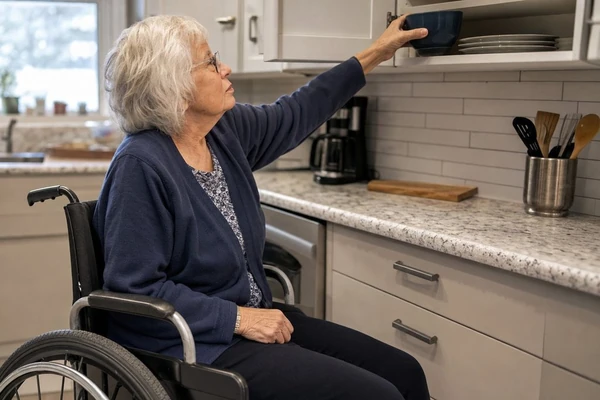
Home safety and accessibility
- Moving items seniors use often within easy reach
- Adding nightlights to bedrooms, bathrooms, and staircases
- Providing a sturdy chair with armrests for resting or getting dressed
- Removing throw rugs, footstools, and other items that obstruct hallways or trip people up
- Ensuring all bathroom fixtures are sturdy
- Keeping medications in a dry place that’s easy to find and remember
You don’t want your loved one’s home to feel like a hospital – but you do want to eliminate as many fall hazards as possible.
Keeping Everyone Coordinated
When more than one person is providing care for your aging parent or other senior loved one – including doctors, family members, and home care aides – it’s crucial to make sure everyone’s on the same page. Talk with your loved one about what kinds of services would be helpful, and what he or she would still like to do on his or her own.
Give your caregiver an idea of who to contact about changes or emergencies, and make sure everyone’s up to date on medications and doctor’s appointments. Involving your senior in decisions about meals, clothes, social activities, and daily routines will help him or her maintain his or her dignity – and make it easier for him or her to accept help.
Not sure where to start? Make a list of activities that have become harder for your senior over the course of the week. Bring it to your next appointment with your doctor or during a consultation with a home care provider, and discuss any changes in your loved one’s health, medications, or behavior – and any safety issues you’ve noticed around the house.