


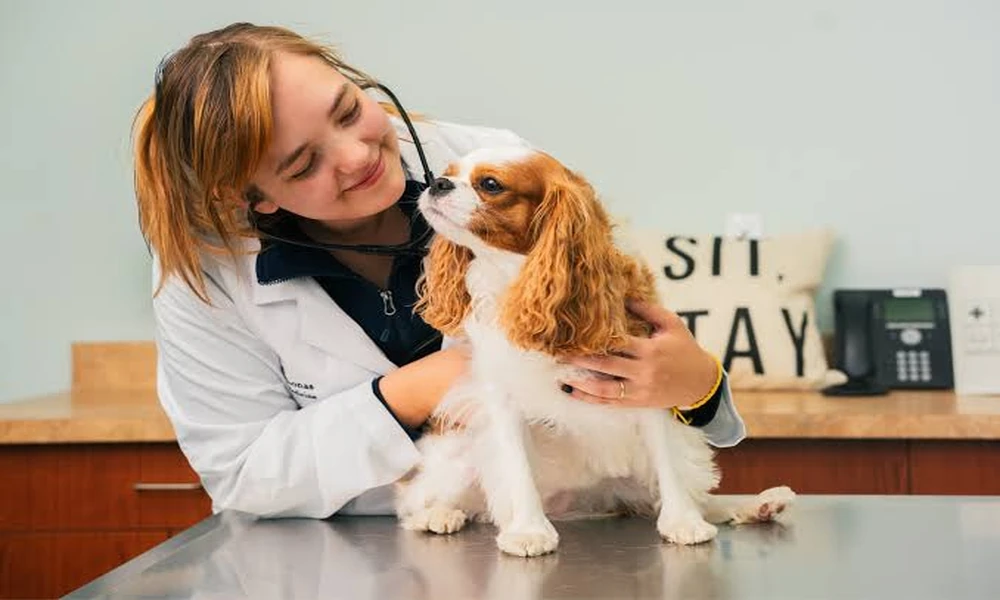

You notice something is off with your pet, and your mind goes straight to the worst case. They are limping, vomiting, breathing oddly, or just not acting like themselves. In that moment, the hardest part is not always the symptom. It is deciding where to go. A general veterinarian, such as an Oakville veterinarian, handles routine care, ongoing health needs, and many common illnesses. Emergency veterinary care is for urgent, time sensitive problems that cannot wait. Knowing the difference can save time, money, and in some cases, your pet’s life.
That split second of uncertainty is familiar to a lot of pet owners. You do not want to overreact and rush to an emergency hospital for something minor, but you also do not want to wait too long and make a serious problem worse. The line between the two can feel blurry when you are scared, tired, and trying to read your pet’s behavior.
General Veterinary Care Focuses on Prevention, Monitoring, and Common Illness
A general veterinarian is your first stop for wellness exams, vaccines, parasite prevention, dental care, skin issues, ear infections, mild stomach upset, arthritis management, and long term conditions like diabetes or allergies. This is where your pet’s health history lives. Your vet knows what is normal for your animal, which matters more than people realize.
Many health problems start small. A dog with a mild cough, a cat with gradual weight loss, or a puppy with diarrhea but normal energy may need prompt attention, but not emergency treatment. General practice is built for these situations. It is also the right place for follow up care after a crisis has passed.
General veterinary care usually happens during regular office hours, often with scheduled appointments. The pace is different because the goal is not only to treat illness, but to prevent bigger problems later.
Emergency Veterinary Care Handles Immediate and Life Threatening Problems
Emergency care exists for pets who need help right away. That includes trouble breathing, collapse, seizures, major trauma, uncontrolled bleeding, suspected poisoning, severe pain, repeated vomiting, bloated abdomen, inability to urinate, or labor that is going badly. If your pet is declining by the hour, emergency care is the safer choice.
According to Texas A&M’s guide to recognizing pet emergency signs, breathing distress, pale gums, unresponsiveness, and severe injuries are strong warning signals. These are not symptoms to watch overnight and hope for the best.
Some clinics also offer urgent care, which sits between routine care and full emergency services. Cornell explains that urgent care for pets can be appropriate for issues that need same day attention but are not immediately life threatening. That can include limping, minor wounds, vomiting without collapse, or eye irritation. Full emergency and critical care is meant for unstable pets who may need oxygen, surgery, bloodwork right away, or intensive monitoring.
The Wrong Choice Can Cost Time, Money, and Peace of Mind
If you wait too long with a real emergency, the condition can worsen fast. A urinary blockage in a male cat can turn deadly in hours. Bloat in a dog can move from discomfort to shock with frightening speed. Heatstroke, toxin exposure, and internal bleeding do not leave much room for delay.
The opposite happens too. You rush to the emergency hospital at midnight for an ear infection or mild diarrhea, then face a much higher bill for a problem your regular vet could have treated the next morning. That does not mean you made a foolish choice. It means you were trying to protect your pet with limited information.
Emergency vs general vet care often comes down to one question. Can this safely wait for regular office hours, or is your pet at risk if you delay? If your pet is stable, alert, breathing normally, and still drinking, eating, or interacting in a fairly normal way, a general veterinarian may be enough. If your pet is in distress, rapidly worsening, or showing severe symptoms, emergency care is the better move.
Key Differences Between Routine and Emergency Pet Care
| Factor | General Veterinarian | Emergency Veterinary Care |
|---|---|---|
| Best for | Wellness visits, chronic conditions, mild illness, follow up care | Severe symptoms, trauma, poisoning, breathing trouble, collapse |
| Timing | Regular business hours, scheduled visits | Nights, weekends, holidays, immediate walk in needs |
| Cost | Usually lower, more predictable | Usually higher due to staffing, testing, and urgency |
| Equipment and monitoring | Routine diagnostics and treatment | Advanced monitoring, oxygen support, intensive treatment |
| Examples | Ear infection, mild vomiting, skin rash, vaccine visit | Hit by car, seizure, blocked urination, severe bleeding |
Clear Steps Help You Decide Faster
Check the red flag symptoms. Look at breathing, gum color, mobility, alertness, bleeding, swelling, and pain. If your pet cannot breathe well, cannot stand, has repeated seizures, or may have eaten a toxin, skip the wait and seek veterinary care right away.
Call your regular vet first when the situation is unclear. Many clinics can tell you whether your pet should be seen the same day, monitored at home, or taken straight to an emergency hospital. A quick phone call can save hours of guessing.
Keep an emergency plan before you need one. Save the number and address of the nearest emergency animal hospital, know your regular vet’s hours, and keep a list of your pet’s medications and health conditions. Decision making gets harder when you are panicked. A plan gives you something solid to follow.
Knowing the Difference Makes a Hard Moment Easier
You are not expected to think like a veterinarian in a stressful moment. You are trying to protect an animal you love, and that pressure is real. Understanding the difference between emergency and general veterinary care gives you a better shot at making the right call quickly. For routine concerns, ongoing health issues, and symptoms that are uncomfortable but stable, a general veterinarian is usually the right place to start. For severe, sudden, or life threatening signs, emergency care is worth the urgency and the cost.
When in doubt, call a veterinary clinic and describe exactly what you are seeing. Fast guidance is often the safest next step.
