






Circumcision is a common procedure in the Philippines, often considered for cultural, personal, hygiene, or medical reasons. For many families, however, deciding when and where to have it done can come with questions. Parents may worry about pain, healing time, safety, and whether their child is physically and emotionally ready.
Understanding what happens before, during, and after the procedure can help make the experience less stressful. With proper medical guidance, clean facilities, and aftercare, circumcision can be handled safely and with more confidence.
Understanding Circumcision and Why Preparation Matters
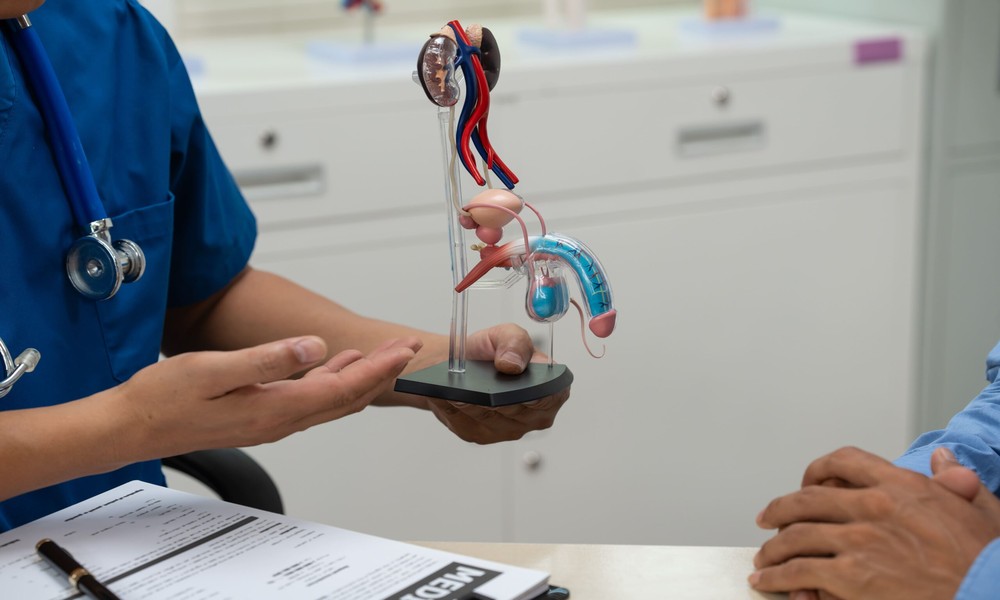
Circumcision involves the removal of the foreskin covering the tip of the penis. While it is commonly done during childhood or adolescence, some adults may also consider it for personal or health-related reasons.
Preparation matters because every patient is different. Age, medical history, wound healing, pain tolerance, and personal comfort can all affect the overall experience. A consultation with a qualified doctor helps determine the right approach and gives patients or parents a clearer idea of what to expect.
Common Concern: Will Circumcision Be Painful?
Pain is one of the most common concerns about circumcision. During the procedure, doctors typically use local anesthesia to numb the area and reduce discomfort. The patient may feel pressure or movement, but the goal is to make the procedure as manageable as possible.
After the anesthesia wears off, mild to moderate discomfort may occur. This can usually be managed with prescribed or doctor-approved pain relief, proper wound care, and rest. The first few days are often the most sensitive, so following aftercare instructions is important.
Common Concern: Is the Procedure Safe?
Safety depends greatly on where and how the procedure is performed. Choosing a qualified healthcare provider is essential. A clean medical environment, sterile tools, proper technique, and clear aftercare guidance all help reduce risks.
Families searching for circumcision philippines services should prioritize licensed doctors or reputable clinics instead of focusing only on convenience or cost. A proper consultation allows the doctor to check if the patient is ready for the procedure and explain possible risks, such as bleeding, swelling, infection, or delayed healing.
What Happens During the Consultation?
Before the procedure, the doctor may ask about the patient’s medical history, allergies, current medications, and any previous bleeding or wound-healing issues. This step helps identify possible concerns before the procedure begins.
Questions to Ask the Doctor
Patients or parents may ask about:
- The type of circumcision method used
- How pain will be managed
- How long the procedure may take
- What aftercare steps are required
- When normal activities can resume
- What signs may require medical attention
Clear communication helps reduce fear and prevents confusion during recovery.
Recovery: What to Expect After Circumcision
Healing usually takes time, and the recovery period may vary depending on the patient’s age and the method used. Mild swelling, tenderness, and sensitivity are common during the early stage of healing. Keeping the area clean and dry, wearing comfortable clothing, and avoiding unnecessary movement can support better recovery.
The tuli procedure may require patients to limit strenuous activities for a period recommended by the doctor. This is especially important for children who may want to return to play or sports too soon. Parents should monitor healing closely and ensure the patient follows all instructions given by the healthcare provider.
When to Contact a Doctor
While mild discomfort can be expected, certain symptoms should not be ignored. Contact a doctor if there is heavy bleeding, worsening pain, unusual discharge, fever, difficulty urinating, or swelling that does not improve. Early medical attention can help prevent complications and support proper healing.
Helping Children Feel More Comfortable
For children, emotional preparation is just as important as physical care. Explaining the procedure in simple, calm language can help reduce fear. Parents should avoid using frightening words and instead focus on reassurance, cleanliness, and the role of the doctor.
After the procedure, patience is important. Some children may feel anxious or uncomfortable during wound care. Gentle support, rest, and clear instructions can make recovery easier.
A Safer Experience Starts with the Right Guidance
Circumcision can feel overwhelming when families are unsure about pain, safety, and recovery. However, the right medical guidance can make the process more manageable. A qualified doctor can explain the procedure, answer concerns, and provide aftercare instructions suited to the patient’s needs.
By choosing a trusted clinic, preparing properly, and following recovery steps carefully, patients and families can approach circumcision with greater confidence and peace of mind.