




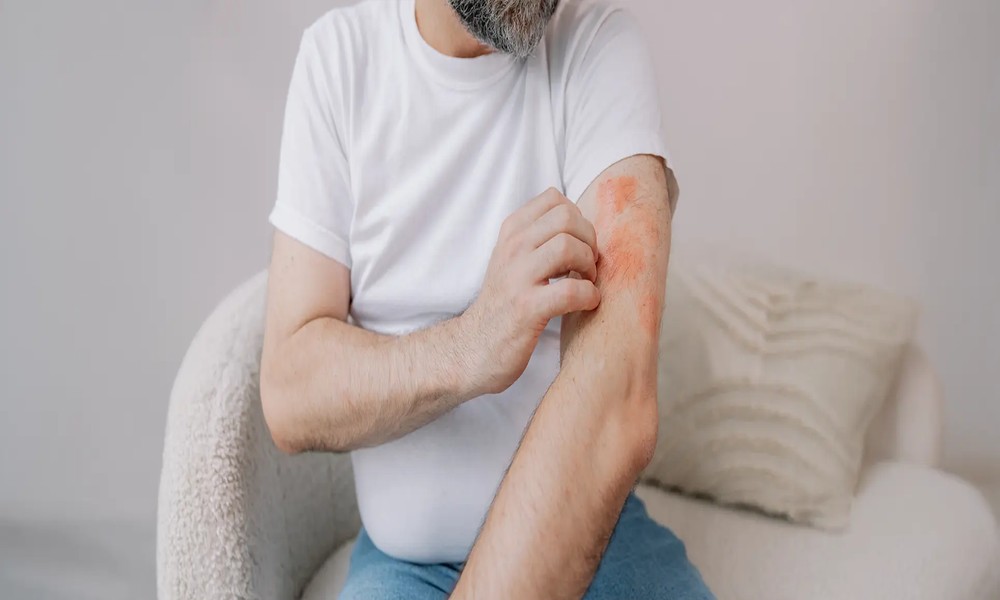
Many individuals grapple with a powerful urge to repeatedly pick at their complexion. This compulsive behaviour, known medically as dermatillomania or excoriation disorder, is far more common than many realise.
Research suggests this condition affects as many as one in twenty people. For some, it’s a temporary response to stress. For others, it becomes a chronic issue that demands professional attention.
It’s crucial to understand this is not merely a bad habit. Persistent picking that causes tissue damage and significant emotional distress signals a complex psychological challenge.
The good news is that effective, evidence-based approaches are readily available. This guide offers supportive information on understanding the condition and the practical recovery pathways accessible to residents across the country.
Key Takeaways
- Dermatillomania is a recognised psychological condition, not a simple habit.
- It impacts approximately one in twenty individuals at some point.
- The behaviour can lead to physical harm and considerable emotional distress.
- Professional support and proven management strategies are accessible.
- Seeking help is a positive and courageous step towards recovery.
- Understanding the issue helps reduce feelings of stigma and isolation.
Understanding Skin Picking Disorder
The medical community formally recognises compulsive picking as a body-focused repetitive behaviour. Known clinically as excoriation disorder or dermatillomania, it is listed in major diagnostic manuals.
This condition is classified under ‘Obsessive Compulsive and Related Disorders’. It shares similarities with repetitive hair pulling, known as trichotillomania.
Definition and Overview
Dermatillomania involves a powerful, repetitive urge to scratch, pick, or squeeze at one’s complexion. The focus is often on small blemishes, but otherwise healthy areas can be targeted.
For many, this compulsion feels impossible to stop, even when they want to. It is this loss of control that distinguishes the disorder from occasional behaviour.
Common Misconceptions
A frequent misunderstanding is that it is merely a bad habit or a sign of poor hygiene. In reality, it is a recognised psychological condition requiring proper support.
Understanding this distinction is key to reducing feelings of shame and self-blame. The table below clarifies the core differences.
Comparing Common Behaviour and Clinical Condition
| Aspect | Occasional Picking | Dermatillomania |
|---|---|---|
| Frequency & Intensity | Infrequent, minor, often in response to a clear trigger like a spot. | Frequent, prolonged sessions that can cause tissue damage. |
| Sense of Control | The person can stop easily if they choose to. | The urge feels compulsive and overriding, despite a desire to stop. |
| Emotional Impact | Minimal distress or frustration. | Significant distress, shame, or interference with daily life. |
| Clinical Recognition | Not a diagnosed disorder. | A recognised Body-Focused Repetitive Behaviour (BFRB) in the ICD and DSM. |
Recognising it as a legitimate condition is the first step toward seeking effective help.
Effective Skin Picking Disorder Treatment UK Approaches
For those seeking help, the UK offers several evidence-based pathways to recovery. Professional care is available through the NHS and private providers.
Cognitive Behavioural Therapy (CBT) is the most effective psychological intervention. It helps individuals understand and change the thoughts and behaviours driving the compulsion.
Some people benefit from combining this talking therapy with medication. Selective Serotonin Re-uptake Inhibitor (SSRI) antidepressants can provide additional support during the therapeutic process.
Successful management typically addresses both the physical behaviour and its emotional triggers. Qualified mental health professionals and dermatologists deliver this integrated care.
Overview of Primary Treatment Modalities
| Treatment Approach | Key Features | Typical Access Pathway |
|---|---|---|
| Cognitive Behavioural Therapy | Focuses on habit reversal and cognitive restructuring; strong evidence base. | GP referral to NHS Talking Therapies or private practitioner. |
| Pharmacological Support | SSRI medications can help reduce urge intensity and co-existing low mood. | Prescription following assessment by a GP or psychiatrist. |
| Integrated Dermatological Care | Addresses physical damage and provides skincare guidance alongside psychological support. | Referral to a dermatology clinic or specialist psychodermatology service. |
Accessing help is a positive step. Support is available via GP referrals, specialist clinics, and private services.
Identifying the Triggers and Symptoms
Identifying the specific cues that lead to repetitive actions forms the foundation for effective management. The key distinction lies in the frequency, control, and consequences of the behaviour.
When picking becomes a regular, hard-to-stop compulsion that causes visible damage, it may indicate a clinical condition. This often occurs without full awareness during sessions that can last considerable time.
Emotional and Physical Indicators
Emotionally, the behaviour frequently serves as a response to difficult feelings. Many people find themselves picking when experiencing anxiety, stress, boredom, or shame. It can become an automatic coping mechanism for these states.
Physically, the action typically focuses on areas like the face, arms, or back. Individuals often target perceived imperfections such as moles, spots, or previous scars. The damage includes cuts, bruising, or bleeding.
A significant indicator is the lack of conscious thoughts during the act. People may discover they’ve been picking only after noticing new marks on their complexion.
Common triggers for this pattern include:
- Feelings of boredom or inactivity
- Periods of heightened stress or anxiety
- Negative emotions like guilt or shame
- Existing conditions such as acne or eczema
- The desire to remove or smooth out blemishes
Recognising these symptoms and triggers is the crucial first step. It helps reduce isolation and points toward appropriate support for recovery.
Understanding Excoriation and Dermatillomania
Excoriation disorder, clinically termed dermatillomania, holds a formal place in global diagnostic manuals. This official recognition is crucial for validating individual experiences and guiding professional care.
Clinical Insights
The condition is listed in both the ICD and DSM under ‘Obsessive Compulsive and Related Disorders’. This classification provides a clear framework for diagnosis.
It is defined as a body-focused repetitive behaviour (BFRB). This places it in a similar category to repetitive hair pulling, known as trichotillomania.
Behavioural Patterns
The face and arms are the most frequently targeted areas. People often focus on irregularities like moles, freckles, or previous scars.
They may use fingernails, tweezers, or other objects. Related actions can include rubbing, squeezing, or biting the skin.
Common Methods and Focus Areas
| Method | Typical Tools | Common Target Areas |
|---|---|---|
| Picking | Fingernails, tweezers, pins | Face, arms, back |
| Squeezing/Rubbing | Fingers | Any perceived imperfection |
| Biting | Teeth | Lips, fingers, cheeks |
Understanding these specific patterns helps clinicians develop more targeted and effective management plans for this disorder.
Evidence-Based Treatment Options for Skin Picking
Evidence-based interventions focus on breaking the cycle of repetitive actions and their triggers. Several proven approaches can help individuals regain control.
Cognitive Behavioural Therapy & Habit Reversal
Cognitive behavioural therapy (CBT) is a highly effective talking therapy. It helps people identify and change unhelpful thought patterns.
A specialised technique, habit reversal training, is frequently incorporated. This involves recognising early warning signs and developing competing responses.
Through reversal training, one learns to withstand the discomfort of the urge. Over time, this weakens the automatic habit.
Pharmacological Support
Some find additional help from medication. A common form is SSRI antidepressants prescribed by a GP or psychiatrist.
This assistance can stabilise mood and reduce compulsive urges. It is not a standalone treatment but aids the therapeutic process.
Professional Guidance
Seeking expert care ensures a tailored plan. Specialists like Surgical Arena Ltd offer integrated support.
They combine psychological strategies with dermatological care. This addresses both the behavioural and physical aspects comprehensively.
Lifestyle Adjustments and Self-Help Strategies
Alongside formal therapy, certain lifestyle adjustments can significantly reduce the frequency of picking episodes. These practical steps offer valuable support while waiting for professional care or as a complement to it.
They empower people to regain a sense of control over their daily routines.
Practical Daily Routines
Simple changes to one’s environment and habits can create powerful barriers. Keeping hands busy with a stress ball or fidget toy provides a harmless outlet.
Wearing gloves during high-risk times, like when watching television, adds a physical reminder. Gradually trying to resist the urge for a little longer each time builds self-control.
Good care for one’s complexion is also key. Regularly applying moisturiser keeps it smooth and less tempting.
It helps to keep nails short and store tools like tweezers out of easy reach. Asking loved ones to gently point out when the habit occurs can raise unconscious awareness.
Mindfulness and Relaxation Techniques
Since stress and anxiety are common triggers, calming the mind is crucial. Techniques like deep breathing or meditation help manage these difficult feelings.
They create a pause between the urge and the action. This pause is where the power to stop picking begins.
For example, practising a few minutes of focused breathing when the compulsion strikes can redirect energy. These strategies, combined with professional guidance, form a robust path toward managing the habit.
Co-existing Conditions and Differentiation from OCD
While grouped together in diagnostic manuals, excoriation disorder and OCD have fundamental differences. Both are classified under ‘Obsessive Compulsive and Related Disorders’, yet they remain distinct conditions.
Key Differences and Overlaps
OCD is primarily driven by unwanted, intrusive thoughts. These obsessions create intense anxiety, and compulsions are performed to prevent feared harm.
In contrast, dermatillomania involves body-focused repetitive behaviour to reduce tension or stress. It is not always preceded by specific obsessive thoughts.
The motivation for the compulsion differs significantly. With OCD, actions aim to neutralise an obsession. With picking, they often manage emotional states or address appearance concerns.
Some people may also experience both conditions. However, many with excoriation disorder do not have typical OCD thought patterns.
Clinical Comparison: OCD vs. Dermatillomania
| Aspect | Obsessive-Compulsive Disorder (OCD) | Dermatillomania (Excoriation Disorder) |
|---|---|---|
| Primary Drive | Unwanted intrusive thoughts (obsessions) | Urge to reduce tension or stress |
| Role of Intrusive Thoughts | Central; compulsions respond directly to thoughts | Often absent; behaviour is more impulsive |
| Typical Motivation for Compulsion | To prevent harm or disaster | To relieve emotional discomfort or ‘fix’ skin |
| Focus of Concerns | Vast range of topics and fears | Almost always tension management and appearance |
Recognising these distinctions ensures accurate diagnosis. Tailored support can then address the specific features of each condition.
How-To Guide: Practical Steps for Recovery
Taking practical steps towards recovery begins with building self-awareness and implementing structured strategies. This practical guide offers clear, actionable methods for daily life.
Self-monitoring Techniques
Start by keeping a small journal. Jot down details about when the urge arises and what was being felt or thought. Over a week or two, patterns will start to emerge.
This process increases awareness of unconscious behaviour. Many people pick without realising they are doing it until damage has occurred.
Implementing CBT Strategies
Identify specific triggers, such as stress, boredom, or watching television. Once known, work can begin on interrupting them.
Use stimulus control techniques. Cover vulnerable areas with plasters or clothing. Keep nails short and remove picking implements from easy reach.
Develop a competing response. When the urge strikes, substitute the behaviour. Squeeze a stress ball or manipulate a fidget toy with your fingers.
Maintain a gentle skincare routine. Regular moisturising reduces the temptation created by dry, flaky skin.
Insights from The Psychodermatologist on Recovery
The Psychodermatologist highlights the psychological and dermatological intersection. Treating both mental health aspects and physical damage yields the best outcomes.
Recovery is not linear. Be kind to yourself if a setback occurs. Learning new habits takes time and persistence.
If self-help strategies are insufficient, or if picking causes significant impairment, seek additional professional support.
Conclusion
Hope and recovery are within reach for those affected by this challenging condition. Understanding it as a recognised psychological issue, not a personal failing, is crucial for reducing shame.
Effective, evidence-based care is accessible. This includes psychological therapies and, when needed, pharmacological support. Combining professional guidance with self-help strategies offers a robust path forward.
The journey takes time and may involve setbacks. Each step towards reducing the behaviour represents meaningful progress for both physical and mental health.
If you recognise these patterns, seeking help is a positive first move. You are not alone. With the right information and support, breaking free from destructive habits and improving your quality of life is entirely possible.