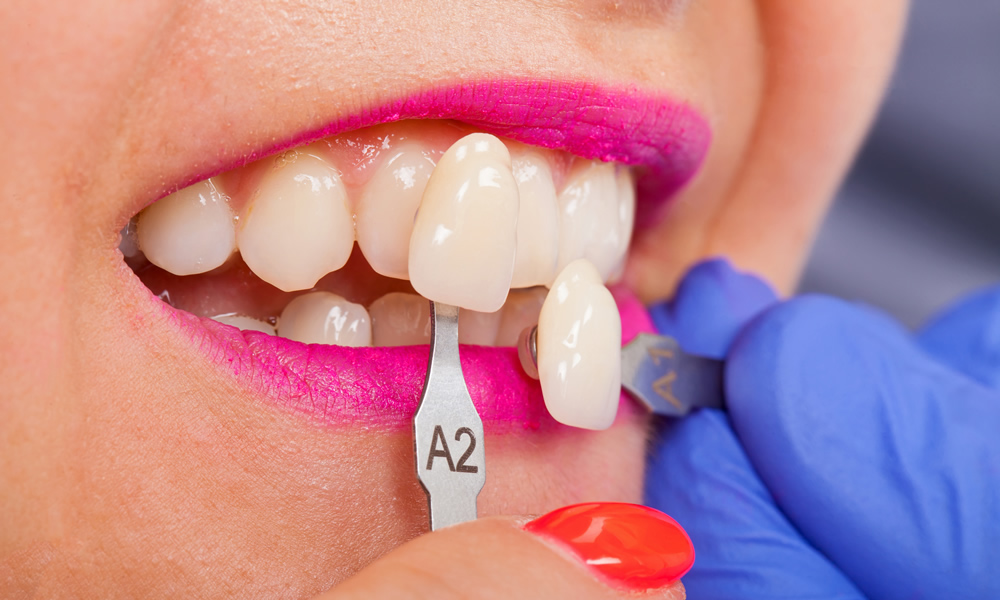


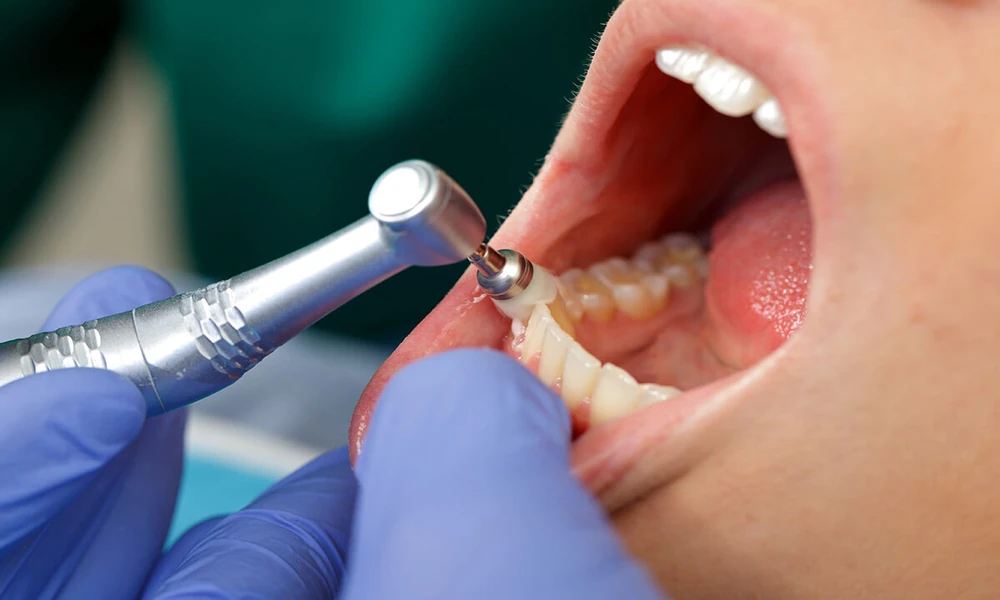
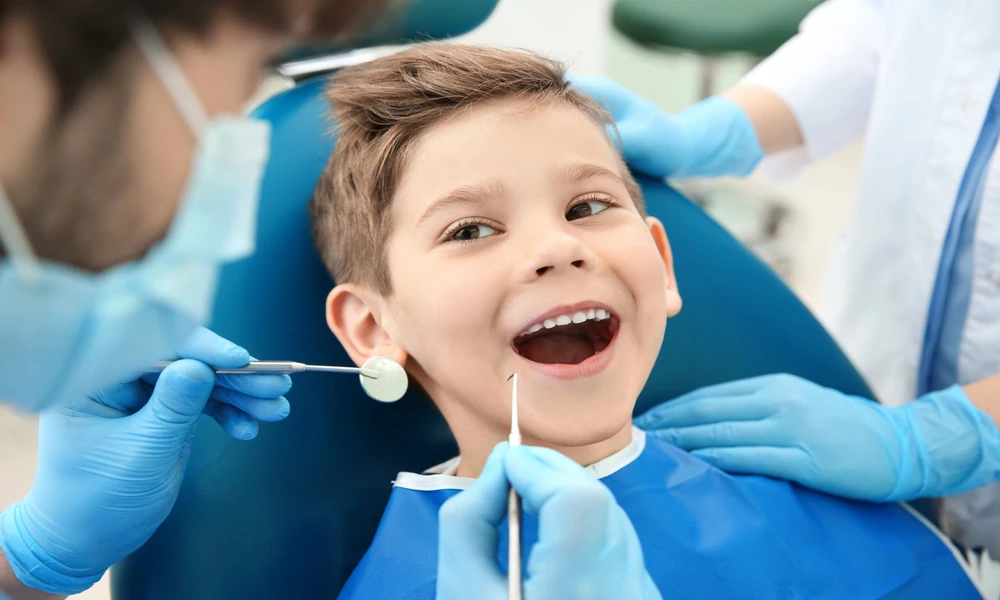


You might be thinking about whitening, veneers, or another smile upgrade, while also trying to keep up with school forms, sports schedules, and your child’s next cleaning with a dentist in Wixom. That mix is more common than it sounds. When you are a parent, dental choices rarely affect just one person. They shape the routine, budget, and habits of the whole family. So if you have been wondering whether cosmetic goals should wait until the basics are fully covered, the short answer is yes, prevention comes first, and that choice often supports better cosmetic results later.
That can feel a little frustrating. After all, cosmetic care is not only about looks. It can be about confidence, photos, work, and finally fixing something that has bothered you for years. But there is a quiet truth underneath all of it. A brighter smile lasts longer when your teeth and gums are healthy first. And when your children watch you value cleanings, sealants, fluoride, and daily home care, they learn that oral health is not something you chase after a problem starts. It becomes part of normal life.
Why does prevention come first when you are also thinking about cosmetic dentistry?
Cosmetic work can improve color, shape, spacing, and balance. What it cannot do is erase decay, gum disease, or weak habits. If a parent gets whitening while dealing with untreated cavities, or chooses veneers without addressing grinding and gum inflammation, the result may look good for a while but become harder and more costly to maintain. That is one reason preventive dental care for families matters so much before cosmetic changes enter the picture.
Think about a simple what if. What if you invest in a smile makeover, but your child is still missing regular checkups and brushing is a nightly battle? The issue is not only money. It is also the message your family absorbs. Children tend to notice what adults prioritize. When they see prevention treated as the foundation, not the afterthought, they are more likely to carry those habits forward.
There is also the financial side, and that part matters. According to the CDC, oral disease is common but often preventable, and prevention reduces the burden of later treatment. You can read more about that through the CDC’s overview of oral disease prevention priorities. In plain terms, small steps now often help you avoid larger bills later.
What can happen if cosmetic goals move ahead of your child’s oral health basics?
This is where things can get complicated. Parents often carry two valid needs at once. You may want to feel good about your own smile, and you may also want to stay on top of your child’s dental care. Those goals do not compete unless prevention keeps getting pushed aside.
If home care is inconsistent, if checkups are delayed, or if early warning signs are ignored, cosmetic treatment can start to feel like decorating over a structural crack. A whiter smile does not protect enamel. Straighter looking teeth do not stop plaque from building up near the gumline. Even for adults, cosmetic results are easier to protect when routine cleanings and exams are in place.
For children, the basics matter even more because they are still building habits and still growing. The CDC shares practical oral health tips for children that support brushing, fluoride use, healthy eating, and regular dental visits. Those simple habits can lower the chance of pain, missed school, and treatment that feels stressful for both child and parent.
So, where does that leave you if you want both a healthy family routine and a better smile for yourself? In a better position than you may think. Prevention does not block cosmetic care. It prepares for it.
How does prevention support better long term cosmetic results?
Healthy gums frame your smile. Strong enamel responds better to whitening. Stable bite patterns lower the risk of wear on bonding or veneers. Regular exams also help catch issues early, before they disrupt a treatment plan. In other words, preventive dentistry protects both function and appearance.
Dental sealants are a good example on the family side. They do not change how a smile looks, but they can help protect children’s molars from decay during the cavity prone years. The CDC explains how dental sealants help prevent cavities, especially in back teeth where brushing can miss deep grooves. That kind of step may seem small, yet it can save time, discomfort, and money.
| Focus | Short Term Appeal | Long Term Impact | Best Use |
|---|---|---|---|
| Cosmetic enhancements | Faster change in color or shape | Results last better when teeth and gums are healthy | After exam, cleaning, and any needed treatment |
| Routine preventive care | Less dramatic at first | Lower risk of decay, gum problems, and treatment delays | Ongoing for both parents and children |
| Children’s sealants and checkups | No cosmetic change | Helps prevent cavities and supports healthy habits early | School age children and regular follow up |
What can you do right now if you are weighing family prevention and cosmetic treatment?
1. Start with a full dental checkup.
Before choosing any cosmetic dental care, make sure you and your child are current on exams and cleanings. Ask about cavities, gum health, grinding, enamel wear, and bite issues. A clear baseline keeps you from making choices based only on appearance.
2. Build one family routine that is easy to keep.
Pick a brushing time everyone can stick to, add flossing where it fits, and keep sugary drinks from becoming the default. If your child needs sealants or fluoride support, ask about that early. A simple routine done every day beats an ambitious plan that fades after a week.
3. Plan cosmetic treatment in phases.
If you want whitening, bonding, or veneers, talk through timing. Sometimes the best path is preventive care first, cosmetic treatment second, maintenance third. That approach often feels more manageable and protects your investment.
Can you care about appearance and still put prevention first?
Yes, and that balance is often the smartest one. Wanting a nicer smile does not make you shallow. It makes you human. But when you are raising children, the strongest choice is usually the one that supports health, confidence, and consistency all at once. That is why oral health prevention for parents considering smile upgrades matters more than many people realize.
A healthy smile and an attractive smile do not have to compete. When prevention leads, cosmetic care has a stronger foundation, and your family gets a model worth following. If you are considering care from a general and cosmetic dentist, start with the basics, ask good questions, and move forward with a plan that protects both your smile and your child’s future habits.