



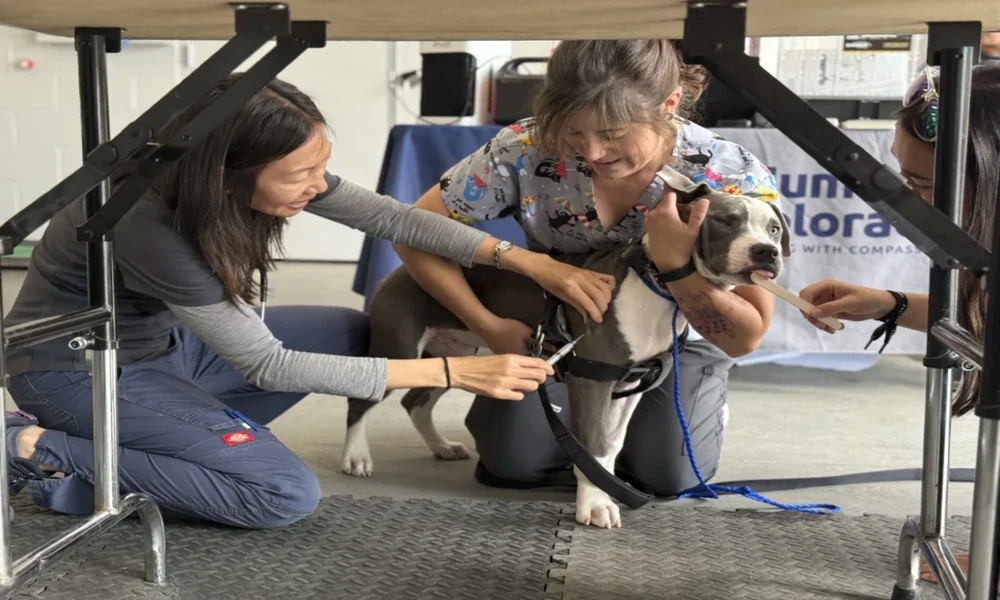
You know the feeling. Your pet skips a meal, starts limping, or seems off in a way you cannot quite explain, and your whole day shifts around that worry. For many families, pets are not a side part of life. They are the morning routine, the comfort on hard days, the reason the house feels like home. When something happens, you need care that is steady, skilled, and close enough to reach before panic takes over, which is why many families turn to Beaumont veterinary clinic.
That is where an animal hospital matters. It is not just a place for vaccines or emergencies. It is a center for prevention, early treatment, guidance, and public health. The vital role of animal hospitals in community pet care shows up in everyday ways, from keeping one dog healthy to helping reduce the spread of disease across a whole neighborhood.
Animal hospitals support pets, families, and public health at the same time
Most people first think about an animal hospital when a pet is sick. That makes sense, but the bigger value often starts earlier. Regular exams catch dental disease before it becomes painful, skin issues before they turn into infections, and weight gain before it becomes diabetes or joint damage. Those visits can save money later, and they spare your pet from avoidable pain.
The community side matters too. Vaccination, parasite prevention, and routine screenings protect more than one household. The CDC explains how pets and people share environments and can also share some illnesses, which is why healthy habits around pets matter for everyone. When local pet owners have access to veterinary care, the whole area benefits from lower risk of preventable disease and better animal welfare.
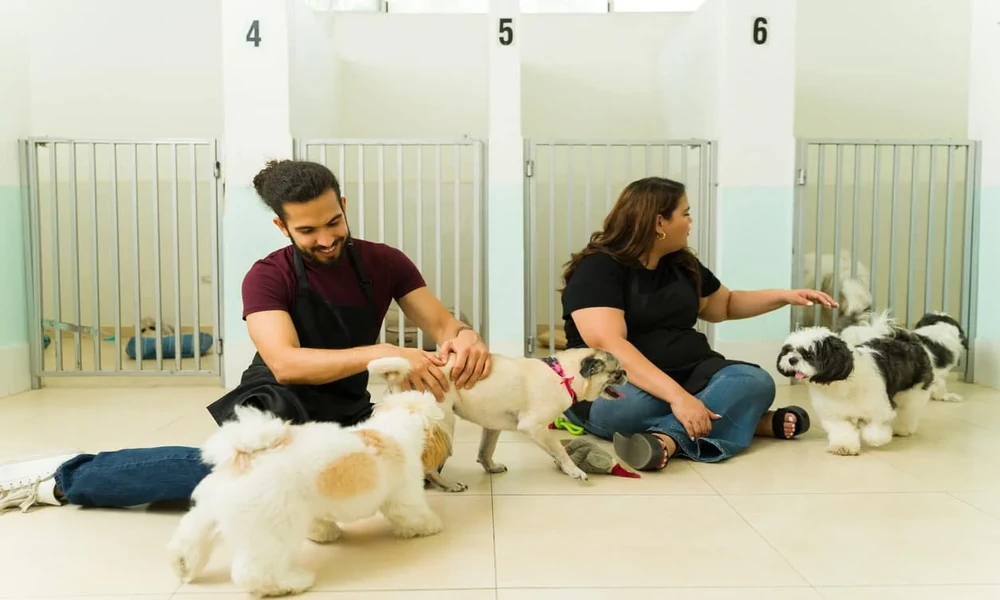
You see this in ordinary situations. A puppy with no vaccine series yet meets other dogs at a park. A cat that goes outdoors brings fleas into the home. A senior dog develops a cough that seems minor until it is not. An animal hospital helps sort out what is urgent, what can wait, and what needs a plan. That kind of clarity lowers stress fast.
Community pet care depends on early care, not just crisis care
Waiting often feels cheaper in the moment. It rarely stays that way. Ear infections become chronic. Small wounds turn into abscesses. Vomiting that looked like a simple stomach upset can point to a blockage, toxin exposure, or an illness that needs same day treatment. Families usually do not delay because they do not care. They delay because life is busy, money is tight, or they hope things will pass. That is a very human response. It can still cost more, both emotionally and financially.
Pet hospital services are built for more than last minute rescue. They help with diagnostics, surgery, medication management, pain control, nutrition, behavior concerns, and end of life support. That range matters because pets do not experience illness in neat categories. A skin problem may be allergies, anxiety, parasites, or diet related. A single hospital team can connect those dots over time because they know your pet’s history.
This is also where trust grows. When the same veterinary team has seen your pet healthy, they notice subtle changes sooner. They know what is normal for your dog’s gait, your cat’s appetite, or your rabbit’s temperament. That kind of continuity is hard to replace when care is scattered.
Animal hospital care becomes essential when travel, records, and regulations are involved
There is another layer many owners do not see coming until they need it. Travel, boarding, adoption, and licensing often require updated records, exams, and certificates. If you are moving or flying with a pet, the paperwork can get strict fast. The USDA outlines the pet travel process overview, and many destinations require forms completed by a veterinarian with the right credentials. If you need one, the USDA also provides a directory of accredited veterinarians.
This is one reason community pet healthcare works best when it is ongoing. A hospital that already knows your pet can update vaccines, review timing requirements, identify breed or age related travel risks, and help prevent last minute problems that could delay a trip.
Routine veterinary care and delayed care lead to very different outcomes
| Situation | Routine Animal Hospital Care | Delayed or No Professional Care |
|---|---|---|
| Annual wellness exam | Early signs of disease may be found before symptoms get worse | Problems often surface later, when treatment is harder and more expensive |
| Vaccines and parasite prevention | Lower risk of common infectious disease and infestations | Higher risk to your pet and possible exposure for other animals |
| Dental care | Pain, infection, and tooth loss may be reduced | Chronic pain and systemic health issues can develop quietly |
| Sudden vomiting or limping | Clear triage, diagnostics, and treatment plan | Minor issues may worsen, and serious issues may be missed |
| Travel documentation | Records and certificates are handled correctly and on time | Missed deadlines, denied boarding, or travel delays can happen |
Clear steps help you use animal hospital services before stress takes over
Schedule preventive care before there is a problem. Book routine exams, vaccines, dental checks, and parasite screening on a calendar you can keep. Prevention is easier to budget for, and it gives your veterinary team a baseline for future concerns.
Keep a simple pet health file. Save vaccine dates, medications, allergies, microchip details, and past test results in one place. If your pet gets sick, needs emergency care, or has to travel, you will not be scrambling for records.
Know your hospital’s scope of care. Ask what services are available, what counts as urgent, and where to go after hours. That one conversation can save precious time when your pet is in distress and you are trying to think clearly.
The role of the animal hospital is deeply local and deeply personal
Good pet care is not only about treating illness. It is about helping you make calm decisions, catching problems early, and protecting the bond you have with an animal who depends on you. The role of the animal hospital reaches beyond one exam room. It shapes safer homes, healthier pets, and stronger communities.
If your pet is due for a checkup or something feels off, do not wait for it to become harder. Reach out to a trusted animal hospital and get a clear next step.