




You paid for a smile you feel good about, and you want it to last. That is the part people do not always talk about. Veneers, crowns, and whitening can change how you look in the mirror, but they also come with upkeep, and general dentistry in Calgary can help you protect those results, and it can feel frustrating to realize the work is not done once the appointment ends.
If you have ever worried about staining a freshly whitened smile, chipping a veneer on something hard, or finding out a crown needs replacement sooner than expected, that stress makes sense. Cosmetic dental work is not cheap, and no one wants to spend time and money fixing preventable problems. The good news is simple. Daily care, regular cleanings, and early treatment of small issues do more than protect your teeth. They protect the money, time, and trust you put into your smile.
Preventive dental care keeps cosmetic dentistry from wearing down too soon
Why Preventive Care Protects The Investment Of Veneers, Crowns, And Whitening comes down to one truth. Dental work sits in a living mouth, not in a sealed display case. Your gums can become inflamed, plaque can harden into tartar, and natural teeth around cosmetic restorations can still decay. A veneer may cover the front of a tooth, but it does not make the tooth immune to damage. A crown may restore shape and strength, but the edge where the crown meets the tooth can still collect bacteria.
That is where people get caught off guard. You may brush every day and still miss the margins around a crown. You may love your whitening results and still drink coffee in ways that speed up staining. You may assume a veneer only needs cosmetic attention when the bigger risk is the gum tissue around it. Small habits decide whether cosmetic work ages well or starts needing repairs early.
Preventive care lowers that risk. Consistent brushing with fluoride toothpaste, daily flossing, and routine exams help protect both natural tooth structure and dental restorations. The CDC’s oral health tips for adults reinforce the basics that matter most, including brushing twice a day, cleaning between teeth, limiting sugar, and keeping regular dental visits. Those steps sound ordinary because they are, and ordinary habits are what preserve expensive results.
Neglected maintenance can shorten the life of veneers, crowns, and whitening results
The cost of skipping preventive care is rarely dramatic at first. It often starts with something easy to ignore. A little bleeding when you floss. Sensitivity around a crowned tooth. A rough edge on a veneer that does not seem urgent. Stains settling back into whitening results faster than expected. None of that feels like a major failure, until it turns into one.
Gum disease can make cosmetic work look uneven because inflamed gums change the frame around your teeth. Decay under or around a crown can mean replacing the whole restoration instead of treating a small cavity early. Grinding at night can chip veneers or wear down polished surfaces. Whitening can fade faster when plaque, tartar, smoking, dark drinks, or acidic habits are left unchecked.
Protecting cosmetic dental work is not about being perfect. It is about catching changes early, before they become expensive. The National Institute of Dental and Craniofacial Research explains the basics of oral hygiene clearly, and those basics matter even more when you have restorations to maintain. The National Institute on Aging also offers practical advice on taking care of your teeth and mouth, including watching for bleeding gums, dry mouth, and pain that should not be ignored.
Preventive care and delayed care create very different outcomes
| Situation | Preventive Care Approach | Delayed Care Approach |
|---|---|---|
| Whitening starts to fade | Cleaning, stain review, and touch up advice help extend results | Heavy stain buildup may require more intensive treatment sooner |
| Minor gum inflammation around veneers | Early cleaning and home care changes may calm tissue quickly | Ongoing inflammation can affect appearance and comfort |
| Food traps near a crown | Exam can identify margin problems or flossing issues before decay forms | Hidden decay may spread under the crown and require replacement |
| Night grinding | Night guard helps protect veneers, crowns, and enamel from wear | Chips, cracks, and shortened restoration lifespan become more likely |
| Skipping routine visits | Small problems are found when they are easier and less costly to treat | Repairs often become larger, more invasive, and more expensive |
This is why preventive care for veneers, crowns, and whitening is not an extra add on. It is part of the treatment. A general and cosmetic dentist looks at more than surface appearance. They check bite pressure, gum health, early decay, staining patterns, and the fit of existing work. That broader view helps cosmetic results stay stable instead of slowly breaking down.
Simple routines support long term cosmetic dentistry results
Build a daily cleaning routine that matches your dental work
Brush twice a day with a soft bristle toothbrush and fluoride toothpaste. Floss every day, especially around crowns and between teeth where staining and plaque collect. If you have veneers, avoid using your teeth to open packages or bite hard objects like ice and pens. If whitening matters to you, rinse with water after coffee, tea, red wine, or strongly colored foods.
Keep regular exams and cleanings on schedule
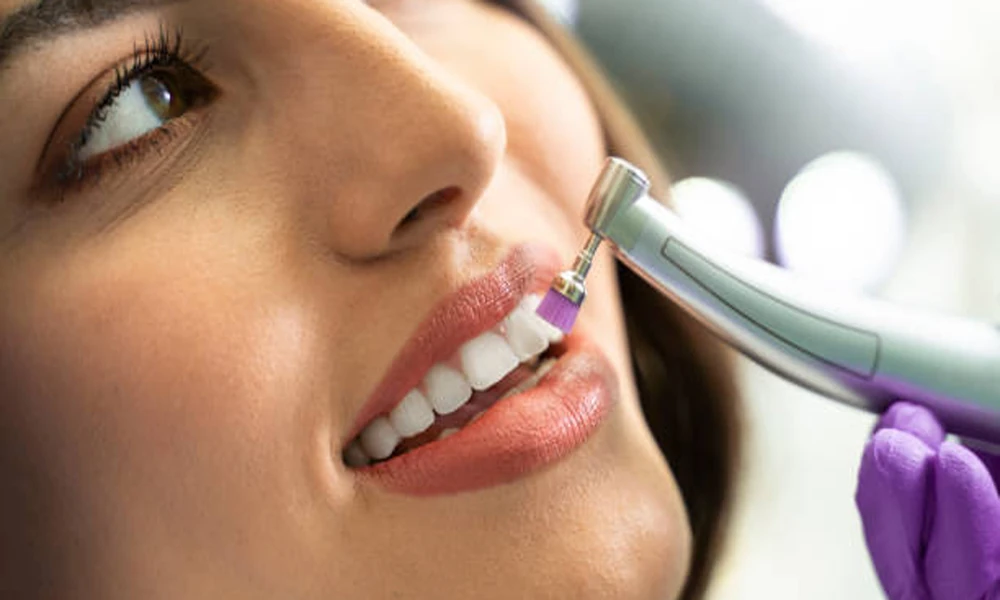
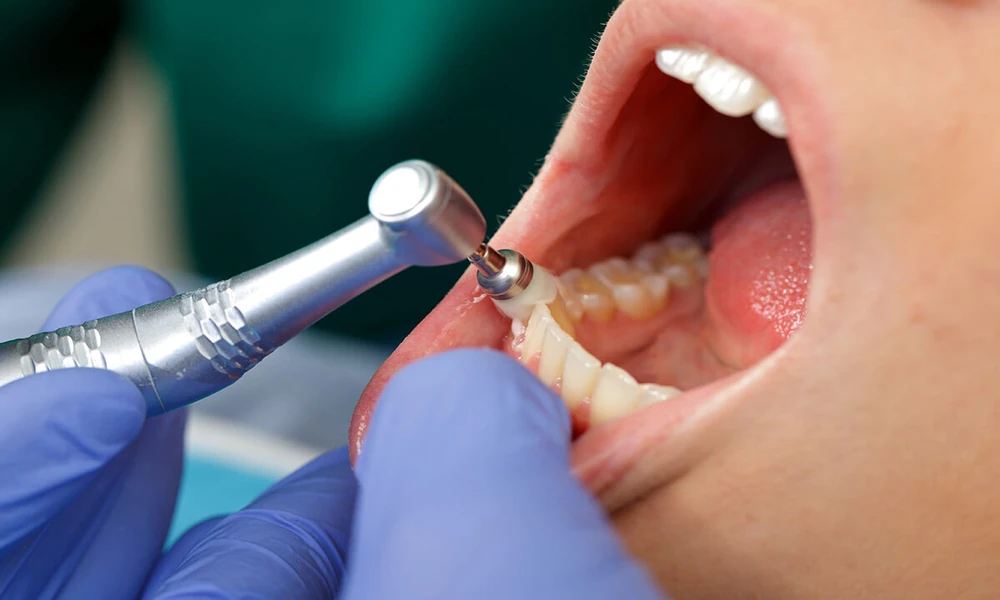
Professional cleanings remove buildup you cannot handle at home, and routine exams catch small changes before they become repairs. If a crown margin is starting to fail or a veneer has a tiny chip, early care is usually easier and less costly than waiting. This is one of the smartest ways of maintaining dental restorations without letting problems pile up.
Address grinding, dry mouth, and sensitivity early
Grinding can damage both natural teeth and cosmetic work. Dry mouth raises the risk of decay because saliva helps protect teeth. Sensitivity can signal bite issues, exposed root surfaces, or trouble around a restoration. These are not side notes. They are common reasons dental work wears out sooner than it should, and they respond better when handled early.
Your smile lasts longer when preventive care stays part of the plan
You do not need an elaborate routine. You need consistent care, attention to small changes, and a dentist who treats prevention as part of cosmetic success. Veneers, crowns, and whitening can look great for years, but they last best when the teeth and gums supporting them stay healthy.
If you have invested in your smile, protect that investment with regular preventive visits and home care that fits your needs. A trusted general and cosmetic dentist can help you keep your results looking natural, strong, and worth every dollar you spent.