



You hear that your pet needs surgery, a dental procedure, or another treatment that requires anesthesia, and your mind goes straight to the same place most pet owners go. Is this safe, will my pet be in pain, and how hard is recovery going to be? That worry is real. When a veterinary surgeon or veterinarian in Valencia County, NM recommends a local nerve block, the goal is usually simple. Keep your pet more comfortable, reduce pain during and after the procedure, and often lower the amount of general anesthetic or other pain medicine needed.
That matters because pain control is not an extra. It is part of good medical care. A local nerve block works by numbing a specific area of the body, which can help your pet wake up more calmly and recover with less stress. In many cases, it is one of the most targeted tools an animal hospital can use to manage pain.
Local nerve blocks target pain at its source
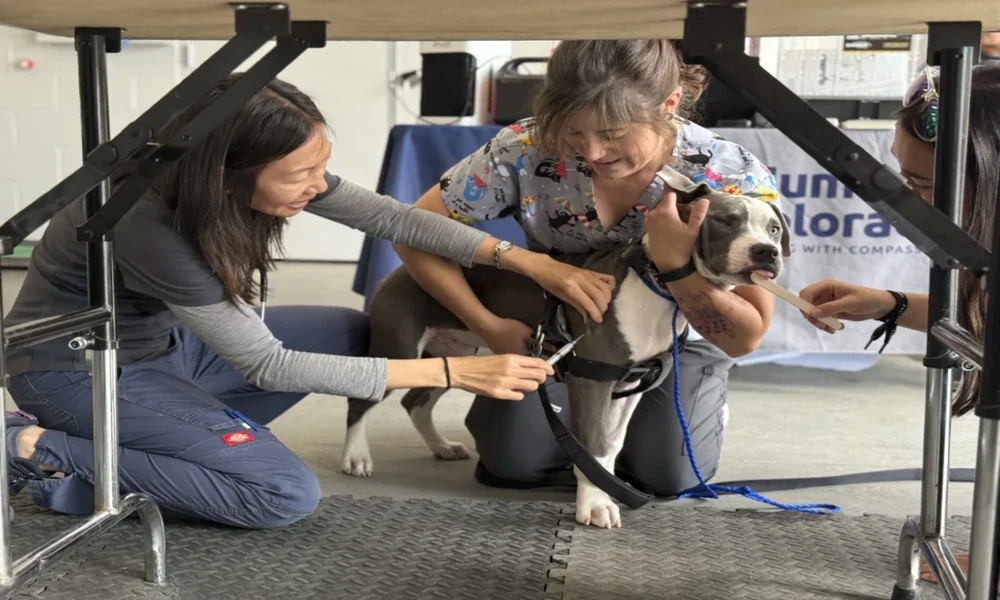
A local nerve block is an injection of numbing medication near a nerve or group of nerves. Instead of trying to control pain only after it spreads through the body, the block interrupts pain signals before they fully register. That is why local nerve blocks for pets are often used during dental work, mass removals, limb procedures, wound repair, and some orthopedic surgeries.
Your veterinarian may pair a nerve block with general anesthesia, not replace it. The anesthesia keeps your pet asleep and still. The nerve block adds focused pain relief to the area being treated. This layered approach is common in modern veterinary medicine because it supports comfort from more than one angle.
For cats, anesthesia questions can feel especially intense because they often hide pain so well. Cornell’s feline health team explains the basics of anesthesia and monitoring in a clear way on their page about anesthesia for cats. The same principle applies across species. Careful planning before a procedure often makes recovery smoother after it.
Better pain control often means a steadier recovery
If your pet has ever come home groggy, restless, or unwilling to eat after a procedure, you already know recovery is not only about the surgery itself. It is also about how well pain was prevented. Pain can raise stress hormones, slow movement, affect appetite, and make even normal healing feel harder on your pet.
That is one reason a surgeon may recommend a regional anesthetic for your pet. When pain is better controlled at the source, some pets need less injectable or inhaled anesthetic during the procedure. Some also need fewer opioids or other systemic pain drugs afterward. That does not mean those medicines are bad or avoidable in every case. It means your veterinary team can often build a more balanced pain plan.
Iowa State’s veterinary anesthesiology service describes this broader approach well on its page about small animal anesthesiology support. Monitoring, drug choice, and pain management are all connected. A nerve block is one part of that larger picture.
Veterinary surgeons use nerve blocks for practical reasons, not trends
Pet owners sometimes worry that an added technique means added risk or added cost without a clear reason. In practice, a nerve block is usually recommended because it solves a specific problem. A tooth extraction can leave the mouth sore for hours. A paw injury can be sharply painful with every step. A lump removal in a sensitive area can make recovery rougher than expected. A targeted block can blunt that pain before it starts.
This is also where the emotional side hits. You do not want your dog or cat waking up confused and hurting, and you do not want to guess whether they are suffering once they get home. Since animals cannot explain what they feel, prevention matters more. A surgeon who recommends a nerve block is often trying to reduce that uncertainty, not complicate the plan.
Risks and benefits of local anesthesia in veterinary care
Local anesthesia in veterinary surgery has clear benefits, but it still needs skill, dosing precision, and monitoring. The medication must be placed correctly, and your veterinary team has to consider your pet’s size, species, age, health status, and the type of procedure.
| Consideration | With a Local Nerve Block | Without a Local Nerve Block |
|---|---|---|
| Pain control during the procedure | More targeted numbing at the treatment site | Relies more heavily on general anesthesia and systemic pain drugs |
| Pain control after the procedure | May extend into early recovery and reduce immediate discomfort | Post procedure pain may be more noticeable as anesthesia wears off |
| Anesthetic needs | May reduce the amount of general anesthetic needed in some cases | May require higher reliance on other medications alone |
| Recovery behavior | Some pets wake up calmer and more comfortable | Some pets may be more restless or guarded if pain is stronger |
| Potential downsides | Requires technical skill, careful dosing, and has rare medication related risks | Avoids the block itself, but may leave fewer options for focused pain relief |
No medical tool is perfect for every pet. A very short procedure may not need a block. A pet with certain health concerns may need a different plan. That is why the recommendation is individualized.
Three steps to take before your pet’s procedure
Ask what the nerve block is meant to do. Get specific. Ask whether it is for a dental extraction, limb surgery, skin procedure, or another area. Ask how long the numbness is expected to last and what signs of normal recovery you should expect at home.
Ask how it fits into the full anesthesia plan. The best conversations are not only about one injection. Ask what monitoring will be used, what other pain medicines your pet will receive, and whether the block may reduce the need for stronger drugs during recovery.
Ask what your pet may look like afterward. Some pets are sleepy. Some are steadier because they are more comfortable. Some may protect a numb area for a short time. Knowing this ahead of time helps you avoid panic when you bring your pet home.
A thoughtful pain plan helps your pet heal with less stress
When a veterinary surgeon recommends a nerve block, the message is usually reassuring. Your pet’s pain is being taken seriously, and the team is planning ahead instead of reacting later. That kind of care can make a real difference in comfort, recovery, and your own peace of mind.
If your pet has an upcoming procedure at an animal hospital, ask whether a local nerve block is part of the pain management plan and why it may help in your pet’s case. A clear conversation now can make the whole experience feel more manageable for both of you.