



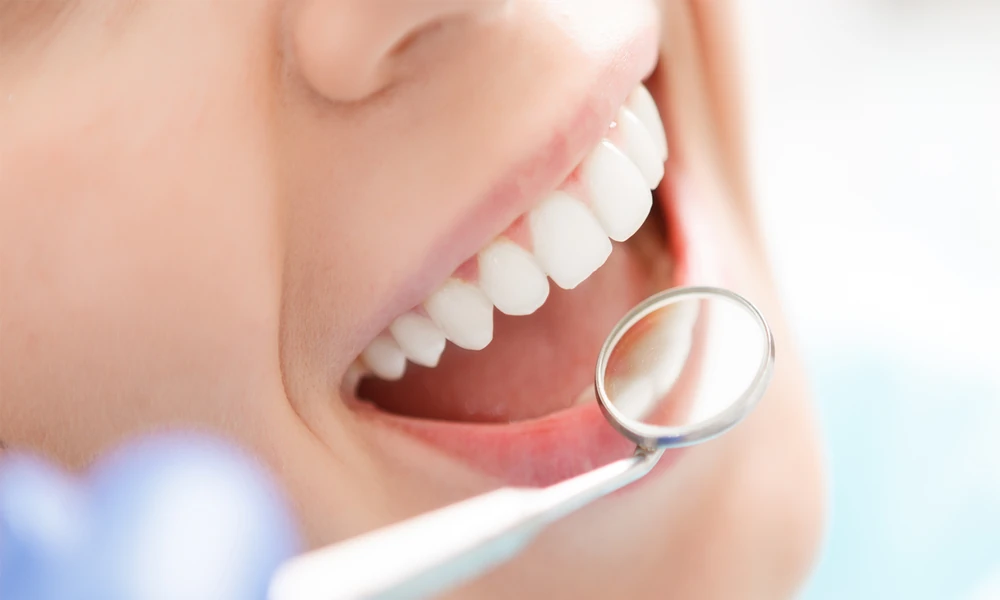


You may have sat in the dental chair, looked at a shade guide, and felt that quiet stress rise fast. Everyone else seems to see clear differences between one tooth shade and the next, but to you they can look nearly the same, or the change feels too slight to trust. That can make a cosmetic decision feel risky, especially when the result will sit front and center every time you smile. If you’re also considering Invisalign treatment in SW Calgary, that same attention to detail may matter even more.
Color vision deficiency is common, and it does not mean you cannot make a good tooth shade choice. It means the conversation needs to be handled differently. A skilled general and cosmetic dentist does not expect you to rely on color alone. They use plain language, controlled lighting, photos, digital tools, and side by side comparisons so you can judge brightness, contrast, and harmony instead of being forced into a color call that does not feel real to you.
Color vision deficiency changes the shade conversation, not your options
If you have red green color blindness, blue yellow problems, or another form of reduced color perception, the usual shade matching process can break down. A dentist may hold up tabs from a shade guide and say one is warmer, one is cooler, one has more yellow, one has more gray. If those differences do not register clearly, you are left nodding through a decision you do not feel sure about.
That uncertainty matters most in cosmetic work. Veneers, crowns, bonding, and whitening all depend on shade communication. If you cannot easily tell whether a proposed crown blends with nearby teeth, you may worry about paying for something that looks off once you get home and see it in different light. That concern is reasonable. Tooth color is not one flat color. It has value, which is lightness or darkness, plus hue and chroma, which describe the type and strength of color. Many patients with color vision deficiency can still judge value better than subtle hue shifts, and that gives your dentist a strong place to start.
The basics of color blindness from the National Eye Institute and this MedlinePlus overview of color vision deficiency explain why some shades can appear too similar. In practice, that means your dentist should avoid vague color words and focus on comparisons you can use, such as brighter versus softer, more contrast versus less contrast, or a match that blends versus one that stands out.
Dental shade communication works better when it is visual, structured, and specific
The best dental shade discussions are not built around a quick glance at a shade tab. They are built around repeatable steps. Lighting is checked first because yellow room light, daylight, and operatory light can all change what teeth look like. Your dentist may bring you upright, remove bright lipstick or distracting colors from the frame, and compare shades against neutral backgrounds. That alone can make the decision easier.
Then comes language. Instead of asking you to pick the “right color,” a thoughtful dentist might ask whether you want the new tooth to disappear into your smile or look a little brighter than your natural teeth. They may show close up photos on a screen, enlarge the image, and point to the neck, middle, and edge of the tooth because these zones often differ. If one crown option has a brighter center and a more translucent edge, that may be easier to judge than hearing it described in color terms.
Research on color matching in dentistry, including material available through PubMed Central, supports the use of standardized methods and instrument based shade selection. Digital shade matching devices can reduce guesswork because they measure tooth color instead of relying only on human perception. They do not replace communication, but they give you another layer of confidence.
Tooth shade selection for color blind patients benefits from clear comparisons
| Approach | What It Looks Like | Main Benefit | Main Limitation |
|---|---|---|---|
| Traditional shade tab only | Quick comparison by eye in the chair | Fast and familiar | Hard to trust if subtle color differences are difficult to see |
| Photo based discussion | Large images viewed on screen in different lighting | Easier to judge brightness, contrast, and blend | Still depends on screen quality and lighting control |
| Digital shade matching | Device measures tooth shade objectively | Less guesswork and stronger lab communication | May not be available in every office |
| Patient plus dentist plus lab collaboration | Photos, notes, mockups, and technician input | Best for front teeth and cosmetic cases | Takes more time and planning |
This is where communicating dental color choices with color vision deficiency becomes less about “seeing the right shade” and more about building agreement from several angles. A patient choosing a front crown may do best with a digital reading, reference photos, and a simple choice between two brightness levels. A patient whitening their teeth may care less about exact undertones and more about avoiding a result that looks unnaturally bright against their skin tone or existing restorations.
Practical steps make cosmetic dentist communication easier and safer
Tell your dentist early. Say clearly that you have color vision deficiency and that shade matching by eye is hard for you. Do not wait until the end of the visit. This changes how a good dentist presents options, documents the case, and involves the lab.
Ask for objective tools and visual aids. Request photos, side by side comparisons, and digital shade matching if available. If you are choosing between cosmetic options, ask the dentist to describe the result in terms of brightness, contrast, and how natural it will look next to neighboring teeth. That is often more useful than color labels.
Bring in a second set of eyes you trust. For crowns, veneers, or bonding on visible teeth, a family member or friend with typical color vision can help during the consultation. You still make the decision, but outside feedback can catch a mismatch you might not notice under office lighting.
Good communication turns a stressful shade choice into a manageable one
You do not need perfect color perception to get a result that looks right. You need a dentist who understands that shade selection is a communication job, not a test you are supposed to pass. The right process respects how you see, uses tools that reduce uncertainty, and gives you a clear path to a smile that feels like yours. If you are planning cosmetic work, ask your dentist to tailor the shade matching process to your vision before any final choice is made.