






Erectile dysfunction, often abbreviated as ED, is a common condition that affects millions of men worldwide. It is defined as the inability to achieve or maintain an erection sufficient for sexual activity. While occasional difficulty with erections is normal, persistent ED can impact confidence, relationships, and overall quality of life. Understanding the common causes, recognizing the symptoms, and knowing the latest treatment options is essential for men experiencing this condition.
Common Causes of Erectile Dysfunction
Erectile dysfunction can result from a variety of physical, psychological, and lifestyle factors. Some of the most common causes include:
- Cardiovascular Issues: Poor blood flow due to conditions like hypertension, atherosclerosis, or heart disease can prevent sufficient blood from reaching the penis.
- Diabetes: High blood sugar can damage blood vessels and nerves critical for erectile function.
- Hormonal Imbalances: Low testosterone levels or other hormonal disruptions can affect sexual desire and performance.
- Medications: Certain medications, including antidepressants, antihypertensives, and some prostate treatments, can contribute to ED.
- Lifestyle Factors: Smoking, excessive alcohol consumption, obesity, and sedentary behavior can increase the risk of ED.
- Psychological Causes: Stress, anxiety, depression, and relationship issues can interfere with sexual performance.
Understanding the underlying cause is key to determining the most effective treatment. In many cases, multiple factors contribute to ED, which is why a thorough evaluation by a urologist is important.
Recognizing the Symptoms
The primary symptom of erectile dysfunction is difficulty achieving or maintaining an erection. Other associated signs may include:
- Reduced sexual desire or libido
- Difficulty achieving full rigidity of the penis
- Anxiety or stress related to sexual performance
- Partner dissatisfaction or strain in intimate relationships
Men experiencing these symptoms consistently should seek medical evaluation to identify the root cause and discuss treatment options.
Diagnosis of Erectile Dysfunction
A urologist uses a combination of patient history, physical examination, and diagnostic testing to evaluate erectile dysfunction. Tests may include:
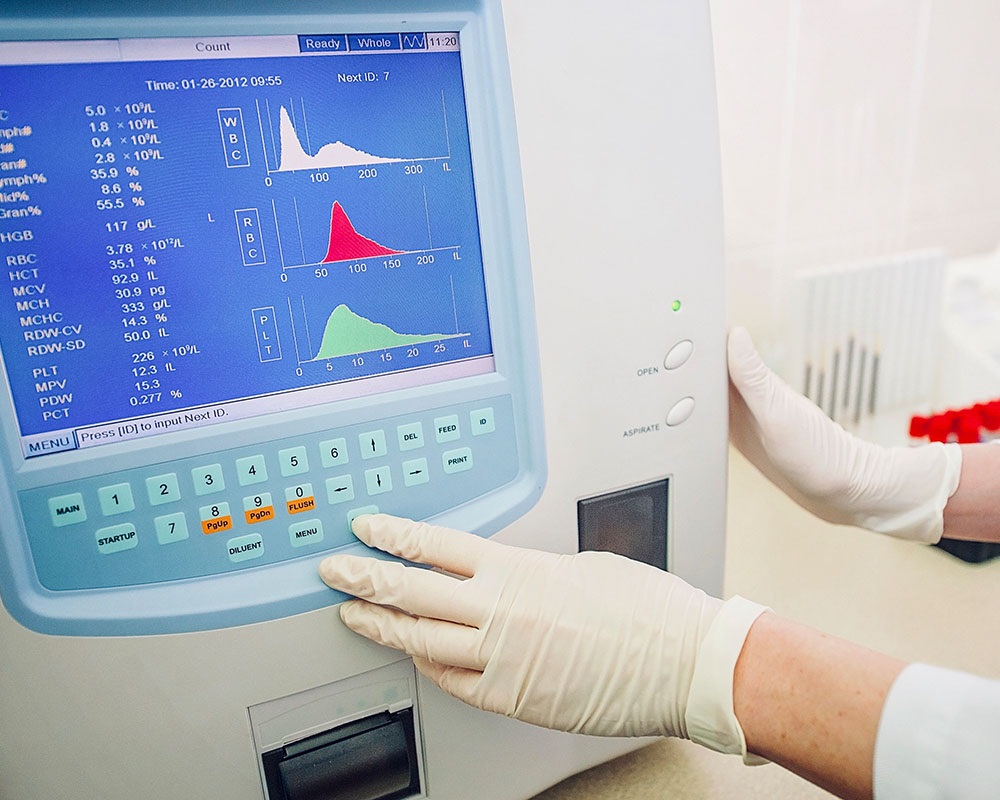
- Blood Tests: Assess hormone levels, blood sugar, and cholesterol.
- Urinalysis: Check for diabetes or other underlying health issues.
- Ultrasound: Evaluate blood flow to the penis.
- Psychological Assessment: Determine whether mental health factors may be contributing to ED.
Consulting a specialized urologist, such as those at Lazare Urology, ensures a comprehensive evaluation and access to the most advanced treatment options.
Treatment Options for Erectile Dysfunction
Treatment for erectile dysfunction depends on the underlying cause and severity. Modern options include:
- Medication: Oral medications such as sildenafil, tadalafil, vardenafil, and avanafil improve blood flow to the penis and are often the first-line therapy.
- Self-Injection Therapy: Medications like alprostadil can be injected directly into the penis to produce an erection. This option may be recommended for men who do not respond to oral medications.
- Penile Implants: For severe or treatment-resistant ED, surgical implants provide a permanent solution. Inflatable or malleable implants are available to restore erectile function reliably.
- Lifestyle Modifications: Improving diet, exercising regularly, quitting smoking, reducing alcohol consumption, and managing stress can all support erectile function.
- Psychotherapy: Counseling or sex therapy can help address psychological causes of ED, such as anxiety or relationship concerns.
A urologist can tailor treatment to the individual’s health profile, preferences, and the severity of the condition.
Preventing and Managing Erectile Dysfunction
While some causes of ED cannot be fully prevented, men can take steps to reduce their risk and improve outcomes. Maintaining a healthy lifestyle, managing chronic health conditions such as diabetes or hypertension, limiting alcohol consumption, and avoiding tobacco use are all effective strategies. Open communication with partners and healthcare providers can also help address psychological contributors to ED.
When to Seek Medical Care
Men experiencing persistent difficulty with erections should seek medical care promptly. Early evaluation allows for identification of underlying conditions, effective treatment, and prevention of long-term complications. ED can sometimes be a warning sign of cardiovascular disease or other systemic health issues, making timely assessment critical.
Conclusion
Erectile dysfunction is a common condition with multiple potential causes, including cardiovascular, hormonal, psychological, and lifestyle factors. Recognizing the symptoms, seeking early evaluation, and understanding available treatment options are key to restoring sexual function and improving quality of life. Modern therapies, including medication, self-injection therapy, and penile implants, offer effective solutions for men of all ages. Consulting a specialized urologist, can provide expert guidance, individualized care, and access to the latest treatments to manage erectile dysfunction successfully.