






Forceps delivery, while a useful tool in certain obstetric situations, carries inherent risks that require careful consideration. Before proceeding with this intervention, a thorough assessment of potential complications for both the mother and the baby is paramount. Understanding these risks helps guide the decision-making process and informs strategies to minimize adverse outcomes.
Maternal Injury During Forceps Application
When forceps are applied, there’s a chance of injury to the mother’s birth canal. This can include:
- Vaginal tears: These can range from minor abrasions to more severe tears involving the perineum and deeper tissues.
- Cervical lacerations: The cervix can also be torn during the application or removal of the forceps.
- Uterine rupture: Though rare, this is a serious complication where the uterine wall tears.
The risk of these injuries is influenced by factors such as the baby’s size, the mother’s anatomy, and the skill of the person performing the delivery.
Fetal Trauma from Forceps Use
The baby is also at risk of injury during a forceps-assisted birth. These can include:
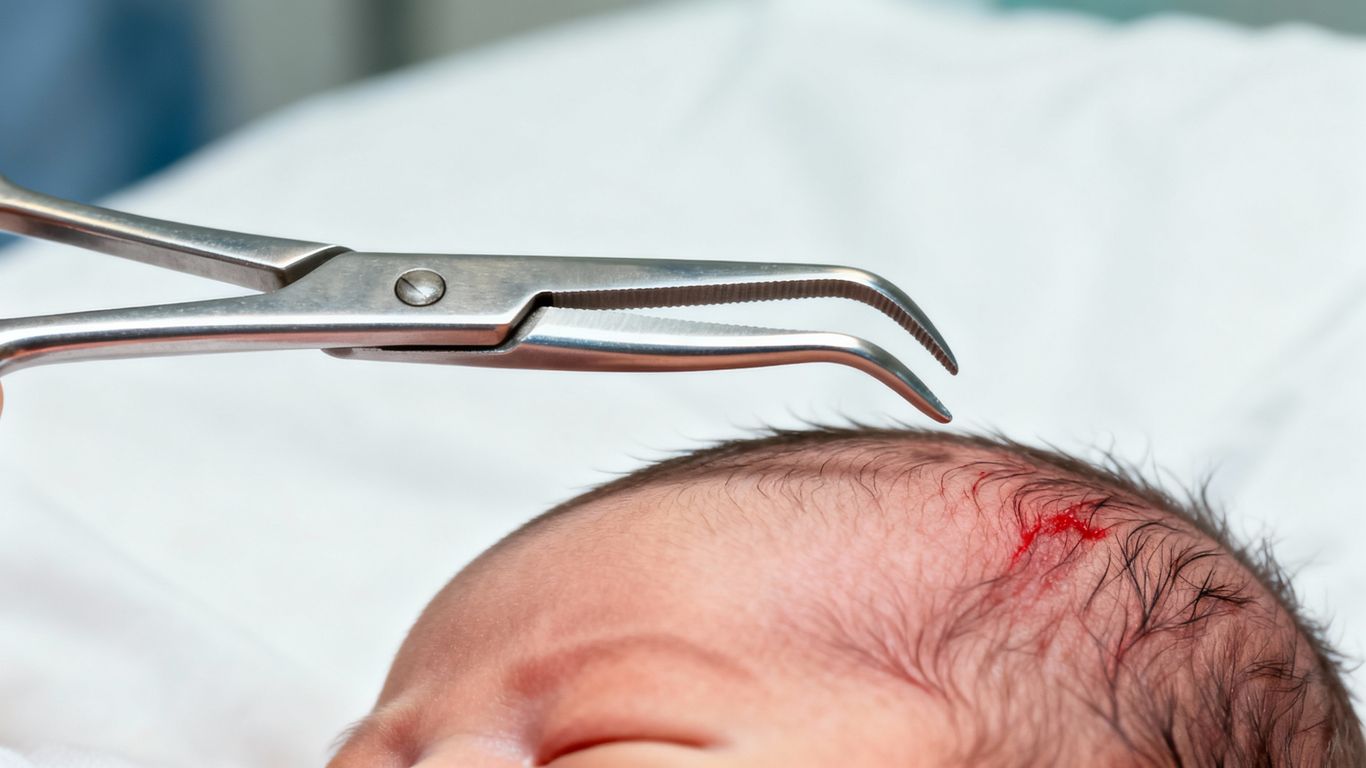
- Bruising or marks on the baby’s face or head from the forceps blades.
- Minor cuts or abrasions on the baby’s skin.
- In some cases, more significant injuries like nerve damage or even skull fractures can occur, though these are less common.
Indications for Forceps Intervention
Forceps are typically considered when there is a concern for the well-being of the mother or baby during the second stage of labor. Common reasons include:
- Prolonged second stage of labor: When labor stalls and the baby is not progressing down the birth canal.
- Fetal distress: Signs that the baby is not tolerating labor well and needs to be born quickly.
- Maternal exhaustion or medical conditions: When the mother is too tired to push effectively or has a condition that makes pushing difficult or dangerous.
Common Forceps Delivery Complications
Forceps-assisted deliveries, while sometimes necessary, can lead to several complications for both the mother and the baby. It’s important for healthcare providers to be aware of these potential issues and to manage them carefully.
Perineal Lacerations and Vaginal Tears
One of the most frequent complications is damage to the mother’s perineum and vaginal tissues. The pressure and pulling from the forceps can cause tears of varying degrees. These can range from minor abrasions to more severe, deep lacerations that extend into the anal sphincter. Proper assessment and repair of these tears are vital to prevent long-term problems.
Postpartum Hemorrhage Risks
Following a forceps delivery, there’s an increased risk of postpartum hemorrhage, which is excessive bleeding after childbirth. This can happen due to several factors related to the instrumental delivery:
- Uterine atony (the uterus not contracting well after birth)
- Lacerations in the birth canal that continue to bleed
- Hematoma formation in the vaginal or perineal tissues
Close monitoring of the mother’s vital signs and uterine tone is necessary in the immediate postpartum period.
Urinary or Bowel Incontinence
Damage to the pelvic floor muscles and nerves during a forceps delivery can sometimes result in issues with bladder or bowel control. This might manifest as stress incontinence (leaking urine when coughing or sneezing) or, in more severe cases, fecal incontinence. While often temporary, these issues can persist and impact a woman’s quality of life, requiring further medical attention and rehabilitation.
Fetal Complications Stemming From Forceps Use
While forceps can be a helpful tool in certain childbirth situations, their use isn’t without potential risks for the baby. It’s important for healthcare providers to be aware of these possibilities and to act quickly if they arise. The application of forceps can sometimes lead to injuries for the infant.
One concern is damage to the baby’s face. This might show up as facial nerve palsy, where one side of the face appears weak or droopy. This often resolves on its own, but it can be distressing for parents. Another common issue is bruising or swelling on the baby’s head. This can range from a cephalohematoma, which is a collection of blood under the scalp, to a more widespread subgaleal hemorrhage. These conditions need careful monitoring.
More serious, though less frequent, complications can also occur. These include:
- Skull fractures: The pressure from the forceps can, in rare cases, cause a break in the baby’s skull.
- Intracranial injury: This refers to damage within the baby’s brain, which can happen due to the forces involved during delivery.
- Eye injuries: The baby’s eyes can sometimes be bruised or scratched during the process.
These potential issues underscore why the decision to use forceps is made carefully, weighing the benefits against the risks. Understanding these complications helps in providing appropriate care and monitoring for newborns who have undergone a forceps-assisted birth. For more information on the risks associated with childbirth interventions, you can look into forceps delivery risks.
Preventative Strategies for Forceps Delivery Complications
When forceps delivery becomes a consideration, focusing on prevention is key to minimizing potential issues for both mother and baby. It’s not just about using the instruments; it’s about the entire process leading up to and during their application. Careful assessment and skilled execution are paramount.
Appropriate Patient Selection for Forceps
Not every labor situation is suitable for forceps. A thorough evaluation of the mother and fetus is necessary before deciding on this intervention. Factors to consider include:
- Fetal Head Position: The baby’s head needs to be in a specific position, typically facing downwards, for forceps to be applied safely and effectively. If the head is turned or angled incorrectly, it can increase the risk of injury.
- Maternal Pelvic Size: The size and shape of the mother’s pelvis must be adequate to allow for the passage of the baby with the assistance of forceps. Insufficient space can lead to difficult extractions and potential trauma.
- Fetal Station: The baby’s head needs to have descended sufficiently into the birth canal. If the head is too high, forceps use can be more challenging and carry higher risks.
- Cervical Dilation: The cervix must be fully dilated to prevent tearing during the procedure. Attempting forceps delivery before full dilation is a significant risk factor.
Skilled Application Techniques
Even with the right patient, the way forceps are used makes a big difference. Healthcare providers need to be well-trained in the specific techniques for applying and using these instruments. This involves:
- Gentle Insertion: The forceps should be inserted carefully to avoid injuring the mother’s vaginal tissues or the baby’s head.
- Correct Latching: The blades of the forceps must be applied to the fetal head in the correct orientation to provide a secure grip without causing undue pressure or damage.
- Appropriate Traction: The pulling force applied should be measured and controlled. Excessive or jerky movements can lead to serious fetal injuries. The direction of pull also matters, following the natural curve of the birth canal.
- Limited Turns: If rotation of the baby’s head is needed, it should be done with precision and minimal force. Forceps and vacuum-assisted deliveries are tools that require a delicate touch.
Timely Decision for Cesarean Section
Sometimes, despite best efforts, forceps delivery may not be progressing as expected or may become too risky. In these instances, the ability to recognize when to stop and proceed with a Cesarean section is a critical preventative measure. This involves:
- Monitoring Progress: Continuously assessing how the labor is progressing and how the baby is tolerating the intervention.
- Recognizing Resistance: If the forceps are not able to move the baby easily, or if there is significant resistance, it signals a potential problem.
- Assessing Fetal Well-being: Paying close attention to the baby’s heart rate and other indicators of distress during the attempted forceps delivery.
- Readiness for C-Section: Having the surgical team and equipment ready to perform a Cesarean section quickly if the forceps attempt is unsuccessful or becomes unsafe is vital. This ensures that the baby’s safety is prioritized if the assisted vaginal delivery is not working out.
Managing Complications Post-Forceps Delivery
Even with careful application, sometimes things don’t go perfectly after a forceps delivery. It’s important to know what to look out for and how to handle any issues that pop up. This section covers what happens next, focusing on the mother and the baby.
Immediate Postpartum Care
Right after the birth, the medical team will be keeping a close eye on both mom and baby. For the mother, this means checking for excessive bleeding and making sure her vital signs are stable. They’ll also look at any tears or injuries that might have happened during the delivery. For the baby, the focus is on their breathing, heart rate, and checking for any visible signs of trauma from the forceps. Prompt assessment is key to catching problems early.
- Monitoring vital signs (blood pressure, heart rate, temperature)
- Assessing for vaginal bleeding and uterine tone
- Examining the perineum and vagina for lacerations
- Observing the newborn for signs of distress or injury
Long-Term Follow-Up and Rehabilitation
Sometimes, complications from forceps delivery don’t show up right away. Women might experience ongoing pain, issues with bladder or bowel control, or problems with sexual function. Follow-up appointments are really important for addressing these concerns. Physical therapy or specialized care might be needed to help with recovery. It’s about making sure the mother gets back to feeling like herself.
- Pelvic floor physical therapy
- Pain management strategies
- Referrals to specialists if needed (e.g., urologist, gynecologist)
- Emotional support and counseling
Addressing Neonatal Injuries
If the baby has sustained an injury, like bruising, nerve damage, or even a fracture, the neonatal team will manage this. Treatment will depend on the specific injury. For example, facial nerve palsy might improve on its own over weeks or months, while more serious head injuries require careful monitoring and intervention. The goal is to support the baby’s healing and development.
Forceps Delivery Complications
- Birth Injury Center – Forceps Complications
- Cerebral Palsy Guidance – Forceps Injuries
- The CP Lawyer – Forceps & Vacuum Extraction
- Lawsuit Information Center – Forceps Malpractice
- Birth Injury Law Alliance – Forceps Use
- Miller & Zois – Forceps Related Malpractice
- Birth Injury Justice Center – Forceps Delivery Complications
- Birth Injury Guide – Forceps Delivery Injury
- ABC Law Centers – Forceps Delivery Risks
- Birth Injury Lawyer – Forceps Malpractice
- JJS Justice – Forceps & Vacuum Extractor Negligence