


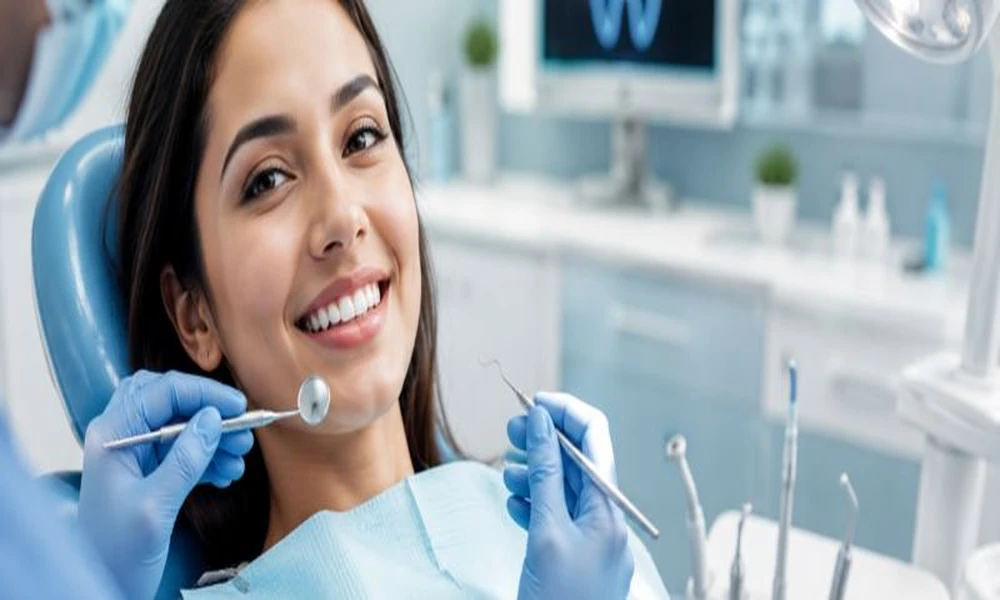



You already have enough on your mind during pregnancy. Appointments stack up, your body feels different from week to week, and even small symptoms can make you wonder what is normal and what needs attention. Dental care often gets pushed aside because it seems less urgent than everything else. That is understandable, but it can create problems that are harder to manage later. If you are also thinking ahead about your long-term smile goals, you may even explore cosmetic dentistry in Wheaton, IL once your pregnancy and immediate dental needs are behind you.
Oral health during pregnancy affects more than your teeth. Hormone changes can make your gums swell, bleed, and react more strongly to plaque. Nausea, dry mouth, food cravings, and changes in daily routine can all raise the risk of cavities and gum disease. The good news is simple. Routine dental visits, cleanings, and needed treatment are safe during pregnancy, and they help protect your comfort and health.
Pregnancy changes your mouth faster than you might expect
Many people notice bleeding gums when they brush and assume it is just part of pregnancy. In one sense, it is common. Your hormones can increase blood flow to the gums and make them more sensitive. Common does not mean harmless. When plaque stays along the gumline, that irritation can turn into pregnancy gingivitis, with redness, swelling, tenderness, and bleeding that keeps getting worse.
Morning sickness adds another layer. If you are vomiting often, stomach acid can wear down enamel. You may also avoid brushing right away because your mouth feels raw or your gag reflex is stronger. Then there are the cravings and frequent snacking. More exposure to sugar and acid gives cavity causing bacteria more chances to do damage.
This is where people get stuck. You may tell yourself you will deal with it after the baby comes, but untreated dental problems rarely stay still. A small cavity can become tooth pain. Sore gums can become infection. Eating, sleeping, and getting through the day are already demanding enough without dental discomfort on top of it.
Dental care during pregnancy is safe and often needed
A lot of pregnant patients worry that a dental visit could harm the baby. That fear is common, especially when you are trying to avoid anything unnecessary. The Centers for Disease Control and Prevention states that dental care is safe and important during pregnancy. You can review the CDC guidance on safe dental care during pregnancy.
Routine exams, cleanings, and X rays with proper shielding can be appropriate when needed. Local anesthesia can also be used for treatment. If you have an infection, broken tooth, or significant gum inflammation, delaying care may create more risk than addressing it. Your dentist and prenatal care team can coordinate if you have a high risk pregnancy or specific medical concerns.
Pregnancy dental care is not cosmetic busywork. It is basic health care. If your gums bleed every time you brush, if a tooth is throbbing, or if you have swelling in your mouth, those are signs to call a general dentist and get seen.
Ignoring oral health can make a hard season harder
Pain changes everything. A toothache can make it hard to eat well, and that matters when nutrition already feels like a moving target. Gum tenderness can make brushing unpleasant, so plaque builds up faster, which leads to more inflammation. It becomes a cycle.
There is also the money side. Preventive care is usually simpler and less costly than emergency treatment. A cleaning and exam can catch problems early. Waiting until you need urgent care often means more time, more discomfort, and a bigger bill.
The CDC also shares pregnancy and oral health facts that highlight how common these issues are. If you feel embarrassed about bleeding gums or overdue dental visits, you are far from alone. This happens to many people during pregnancy, and it is treatable.
Routine habits and professional dental care work better together
| Concern | At home | With a general dentist |
|---|---|---|
| Bleeding gums | Brush twice a day with a soft toothbrush and floss daily | Exam and cleaning remove plaque buildup and check for gingivitis |
| Morning sickness and enamel wear | Rinse with water after vomiting and wait a bit before brushing | Assessment for erosion and advice on fluoride or protective products |
| Tooth pain or sensitivity | Avoid very hot, cold, or sugary triggers if possible | Diagnosis of cavities, cracks, or infection and treatment when needed |
| Dry mouth and higher cavity risk | Drink water often and limit frequent sugary snacks | Personalized prevention plan based on your symptoms and risk |
| Questions about safety | Keep a list of medications and pregnancy details to share | Care tailored to your stage of pregnancy and medical history |
Home care matters, but it cannot remove hardened tartar or diagnose a hidden problem under the surface. Professional care fills that gap. The strongest approach is both. You keep the daily routine steady, and your dentist handles the issues you cannot see or fix on your own.
Small steps can protect your teeth and gums right away
Schedule the visit you have been putting off. If you are pregnant and due for a cleaning or worried about a symptom, book the appointment. Tell the office that you are pregnant, how far along you are, and any medical issues or medications. That helps the team plan your care safely.
Adjust your routine to match pregnancy symptoms. Use a soft toothbrush, fluoride toothpaste, and floss every day. If brushing triggers nausea, try a smaller brush head or brush at a time of day when your stomach is calmer. After vomiting, rinse with plain water first. That can help reduce acid in your mouth before you brush.
Do not normalize pain or bleeding. Some gum sensitivity is common in pregnancy, but ongoing bleeding, swelling, bad breath, tooth pain, or a loose feeling in a tooth should not be ignored. Early treatment is easier on you than waiting for a problem to grow.
Protecting your smile during pregnancy supports your overall health
Your body is doing a huge amount of work right now. Taking care of your mouth is one more way to support yourself, not one more thing to feel guilty about. Dental care during pregnancy is safe, practical, and worth making room for. A general dentist can help you prevent small issues from becoming painful ones and give you a plan that fits the reality of pregnancy, not some ideal version of it.
If you have bleeding gums, tooth pain, or you are simply overdue for a checkup, schedule a dental visit and get the support you need.