





You might have noticed it slowly. A child who covers their mouth when they laugh. A teen who asks about whitening before school photos. Or maybe you have looked at a small chip, spots on enamel, or uneven teeth and wondered whether it is only cosmetic, or whether it affects confidence, comfort, and long term oral health too. That mix of concern and uncertainty is common, especially when you want to help your child feel good without making the wrong choice, and talking with a dentist in Thousand Oaks can help you understand the best next step.
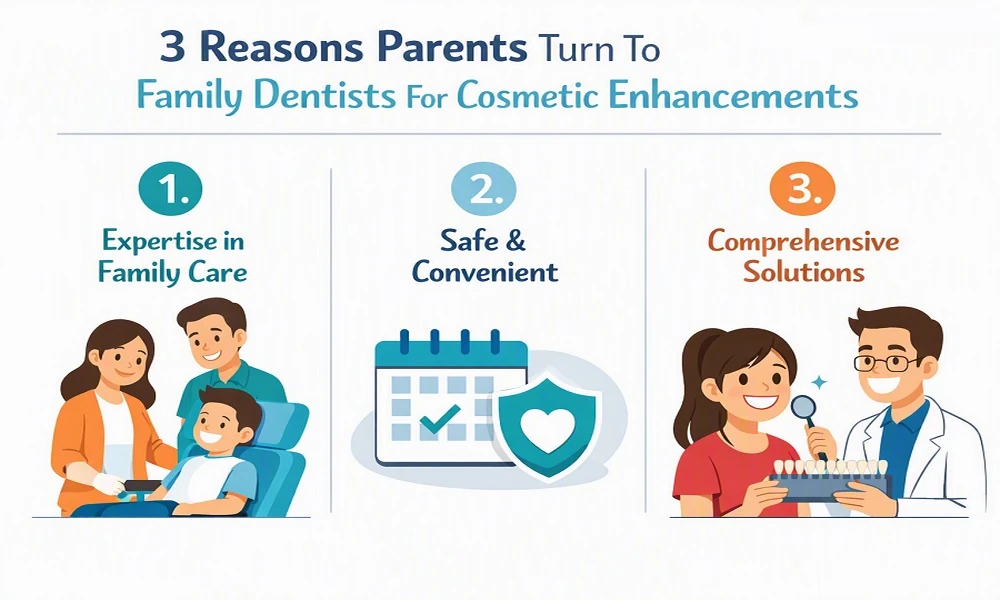
That is often why parents look to a Family And Cosmetic Dentist instead of chasing quick fixes online. The short answer is simple. Parents want care that feels safe, age aware, and practical. They want one dental home that can watch how a smile develops, explain which cosmetic changes make sense, and protect oral health at the same time.
Why does a family dentist feel like the right place for cosmetic dental care?
Cosmetic changes for children and teens are rarely just about looks. A small gap may be harmless, but discoloration, enamel spots, or worn edges can affect how a child feels every day. Because of this, many parents prefer a provider who already knows their child’s dental history, habits, and stage of growth. That continuity matters.
A family dentist can look at the whole picture. Is the issue only aesthetic, or is it tied to enamel strength, bite alignment, thumb sucking history, or grinding? That kind of context is hard to get from one time cosmetic visits. It also helps families avoid treatments that sound appealing now but may not fit a growing smile.
This is one of the biggest reasons parents seek cosmetic smile improvements for families. They want guidance, not pressure. They want to know what can wait, what should be addressed early, and what options are gentle enough for a younger patient.
Could confidence be the first reason parents choose cosmetic enhancements?
Yes, and it is often more serious than people think. A child does not need to say, “I am embarrassed by my teeth,” for you to see the signs. They may stop smiling in photos, speak with a hand over their mouth, or avoid attention at school. For teens especially, appearance can feel tied to social ease in a way that is hard to brush off.
So, where does that leave you? Usually trying to balance reassurance with action. You do not want to teach your child that looks are everything. At the same time, you know confidence matters. A family dentist can help you make that distinction. Some cosmetic options, such as bonding for a chipped tooth or guidance on surface stains, can restore confidence without turning the process into something extreme.
Research also shows how common oral health concerns are for children. The NIH’s guidance on healthy mouths for kids points out that oral health affects eating, speaking, learning, and self esteem. When parents pursue cosmetic support, they are often responding to that bigger quality of life picture.
Is prevention the second reason families turn to a family and cosmetic dentist?
In many cases, yes. What looks cosmetic on the surface can point to a deeper issue. White or brown enamel changes may raise questions about fluorosis, enamel development, or hygiene patterns. A rough edge may be the result of an injury. Crowding may make brushing harder, which can lead to more plaque and decay over time.
That is why parents often prefer a cosmetic dentist for kids and teens within a family practice setting. The goal is not only to improve appearance. It is to catch problems early and protect the tooth structure that is already there.
For example, the CDC’s page on dental fluorosis explains that changes in how enamel looks can happen while teeth are developing. Some cases are mild and mostly cosmetic, but families still want clear answers. A family dentist can explain whether the concern is harmless, whether monitoring is enough, or whether a conservative cosmetic option may help.
Does convenience become the third reason busy parents choose one dental home?
It often does. Parents are already managing school calendars, sports, meals, and medical visits. Adding separate providers for cleanings, exams, and appearance related concerns can create more stress than expected. A family dental office can make those decisions easier because routine care and cosmetic conversations happen in one place.
That convenience also supports better follow through. If a dentist has seen your child regularly, they can compare changes over time, document enamel wear, and time any cosmetic treatment more carefully. That is especially helpful when children are still growing and their needs may change from year to year.
National oral health data supports the need for ongoing attention. The CDC’s selected findings on oral health show that tooth decay and other oral health issues remain common. Parents are not overreacting when they ask more questions about how a smile looks and functions. They are paying attention.
What should you compare before saying yes to cosmetic dental treatment?
Not every concern needs treatment right away, and not every cosmetic option fits a child or teen. A simple comparison can help you think through the next step.
| Concern | Wait and Monitor | Family Dentist Evaluation |
| Mild surface stains | May improve with hygiene changes and regular cleanings | Helps rule out deeper enamel issues and offers safe whitening guidance if appropriate |
| Small chip on a front tooth | Could stay stable, but rough edges may worsen or affect confidence | Can assess structure, smooth edges, or use bonding if needed |
| White or brown enamel spots | Appearance may stay the same and cause ongoing self consciousness | Can identify causes such as fluorosis or enamel defects and discuss conservative options |
| Uneven spacing or crowding | Some changes may shift as the mouth develops | Tracks growth and helps time referrals or cosmetic planning wisely |
What can you do right now if you are considering cosmetic dentistry?
1. Write down what you are seeing. Note when the issue started, whether your child mentions pain or embarrassment, and whether the concern is changing. Photos can help track chips, spots, or wear.
2. Ask function first, then appearance. During a visit, ask whether the concern affects brushing, chewing, speech, or enamel strength. That question often leads to a clearer, calmer treatment discussion.
3. Choose the most conservative option that solves the problem. If bonding, contouring, or monitoring will do the job, that may be better than a bigger treatment for a young smile that is still developing.
When you want your child to feel good, where do you begin?
You begin by trusting what you have noticed. If something about your child’s smile seems to be affecting confidence, comfort, or daily care, it is worth asking about. Parents turn to family dentists for cosmetic enhancements because they want thoughtful care, not rushed decisions. They want someone who can see the child behind the smile and protect both.
If you are weighing options for a growing child or teen, a family dentist can help you sort out what is cosmetic, what is preventive, and what can wait. A simple conversation can bring a lot of relief.