






Some women do not prioritize early antenatal care. They only seek help when they experience awful symptoms. However, early pregnancy care is not limited to symptom management. It is essential for all pregnant moms. Here is why:
Early development happens so fast
The first trimester is a critical phase. This is when intensive growth happens. Within the first few weeks:
- The baby’s brain starts developing
- The spinal cord starts forming.
- The heart starts beating.
- Major organs start forming.
Most of these milestones take place very quickly. You might not notice any changes in your body. This is why an early antenatal check up is necessary.
A comprehensive assessment will take place during the appointment. This is to evaluate the fetal growth. A doctor will detect any issues early.
Confirm whether the pregnancy is healthy
You might be feeling okay. But that does not necessarily imply that all is going well. Early appointments confirm:
- The pregnancy is in the uterus.
- The gestational age is correct.
- A healthy pulse rate.
Let’s take the example of an ectopic pregnancy. It might not show significant symptoms at first. However, it can be life-threatening.
This is why an early ultrasound is important. It will diminish that risk.
Detect pre-existing health problems
Certain medical problems can influence pregnancy. And you may not know about them.
Early screening can detect the following:
- High blood pressure
- Thyroid disorders
- Diabetes
- Prediabetes
- Blood type incompatibility.
Early management of such conditions reduces complications like:
- Preeclampsia
- Gestational diabetes
- Preterm birth.
Get dietary recommendations
Pregnancy at an early age raises the nutritional requirements of your body. Your medical professional will recommend:
- Folic acid supplementation
- Iron intake
- Proper weight gain
- Balanced diet planning.
Specifically, folic acid plays a crucial role. It prevents neural tube defects. But it helps in the early weeks of pregnancy.
Late initiation of supplements can diminish their protective effect.
Take baseline measurements
During your initial prenatal appointment, there will be baseline tests:
- Blood pressure
- Weight
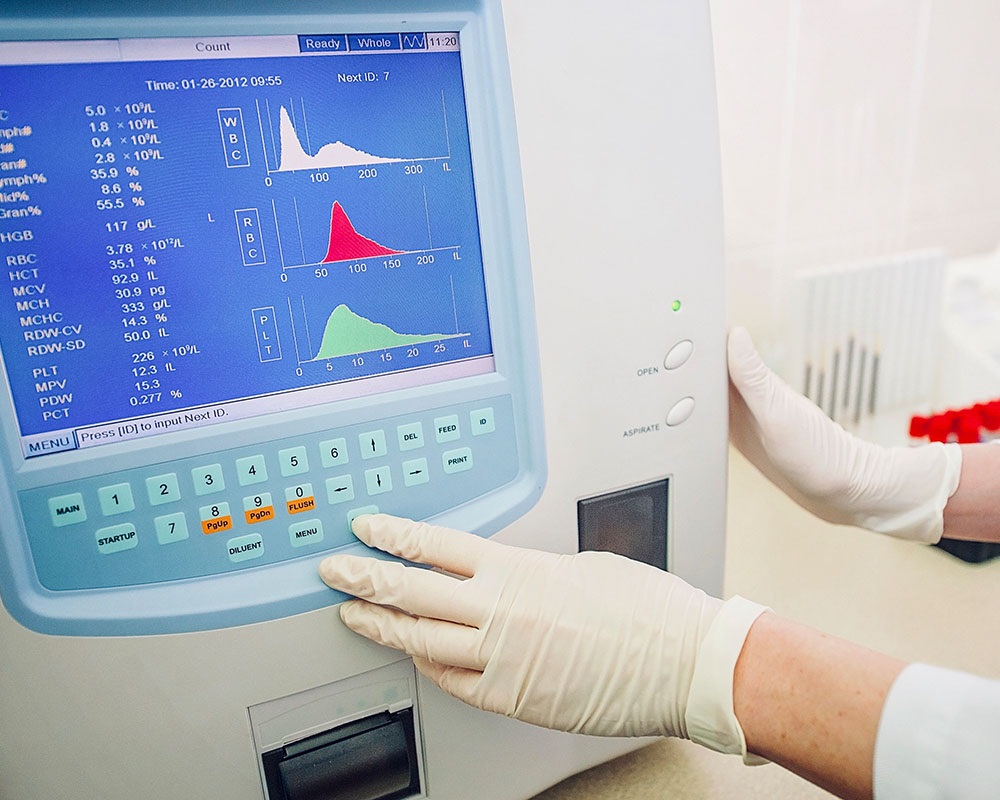
- Blood tests
- Urine screening.
These measurements provide a point of reference. They help the doctor monitor pregnancy changes. This makes it easier to identify any possible complications early.
Screen for genetic and chromosomal conditions
Your provider might recommend early screening for chromosomal conditions. This depends on your age and previous medical history.
These tests give useful information. They enable informed decisions when necessary. This eliminates needless anxiety.
Building a care plan
Each pregnancy is unique. Early visits allow you to:
- Plan for birth
- Review exercise guidelines
- Discuss work or travel arrangements
- Inquire about medications.
Early care establishes a systematic approach for the coming months.
Peace of mind
Uncertainty is stressful. Frequent prenatal appointments provide assurance. The checks also make it possible to address minor issues early. This eliminates any worries.
Pregnancy care does not start and end with problem treatment. It includes:
Schedule your first prenatal appointment as soon as you know you are pregnant. Even if you feel fine.