





Key Takeaways
Scar tissue naturally forms after injuries or surgeries. However, it can inhibit movement and functionality due to its inherent lack of elasticity compared to healthy tissue.
Common signs of restrictions from scar tissue include stiffness, pain, swelling, reduced range of motion, and even creaking sounds with movement. These symptoms can negatively impact daily activities.
Scar tissue release treatment works by breaking down that dense tissue, enhancing flexibility and restoring normal elasticity with focused therapeutic techniques.
A notable benefit of this therapy is pain reduction. Many clients experience immediate relief by addressing the underlying sources of their discomfort rather than merely masking symptoms.
The treatment process generally kicks off with an initial consultation and assessment. Following that, a customized therapy plan unfolds, adapting techniques to suit individual needs.
Testimonies from clients often showcase powerful results from scar tissue release therapy, with numerous individuals regaining considerable mobility and partaking in activities they once feared lost.
Case studies illustrate that scar tissue release can lead to documented enhancements in flexibility, strength, and daily functionality, aiding individuals on their recovery journeys.
How Scar Tissue Restrictions Limit Mobility and Function
Understanding the Impact of Scar Tissue on Movement
Scar tissue is part of the body’s healing mechanism. It results from any injury or surgical procedure and is sometimes unavoidable. But scar tissue can impose limitations on movement and functionality. Unlike healthy tissue, scar tissue falls short in both elasticity and strength needed for smooth motion. It may adhere to nearby muscles, ligaments, or joints, which can impede mobility. This limitation sometimes leads to compensatory movements, potentially escalating into chronic pain or inflammation.
Practitioners frequently emphasize that the body functions as an interconnected system. Limitations from scar tissue in one area can create a cascading effect on overall physical ability. Think of a simple shoulder injury: if scar tissue forms, the shoulder may struggle to perform basic tasks, adversely affecting the neck and back.
Identifying Common Symptoms of Scar Tissue Limitations
Recognizing the symptoms of restrictions caused by scar tissue is key for timely intervention. Common indicators include:
- Stiffness: A sensation of tightness or inflexibility in the affected region.
- Pain: A dull, sharp, or persistent ache, especially during movement.
- Swelling: Inflammation that remains despite rest or ice application.
- Reduced range of motion: Difficulty in fully moving a joint.
- Creaking or popping sounds: Noises that emerge from joints during movement.
These symptoms can disrupt daily life considerably. Spotting them early allows individuals to seek the right assistance before issues worsen. Scar tissue release treatment can significantly contribute to the recovery process. So, is relief achievable? Indeed.
Key Benefits of Scar Tissue Release Treatment
Enhancing Range of Motion and Flexibility
A standout benefit of scar tissue release treatment lies in its ability to improve range of motion and flexibility. Clients often report a newfound freedom in their movements post-therapy. This isn’t by chance. The targeted techniques employed during sessions aim to dismantle dense scar tissue, fostering a restoration of normal elasticity.
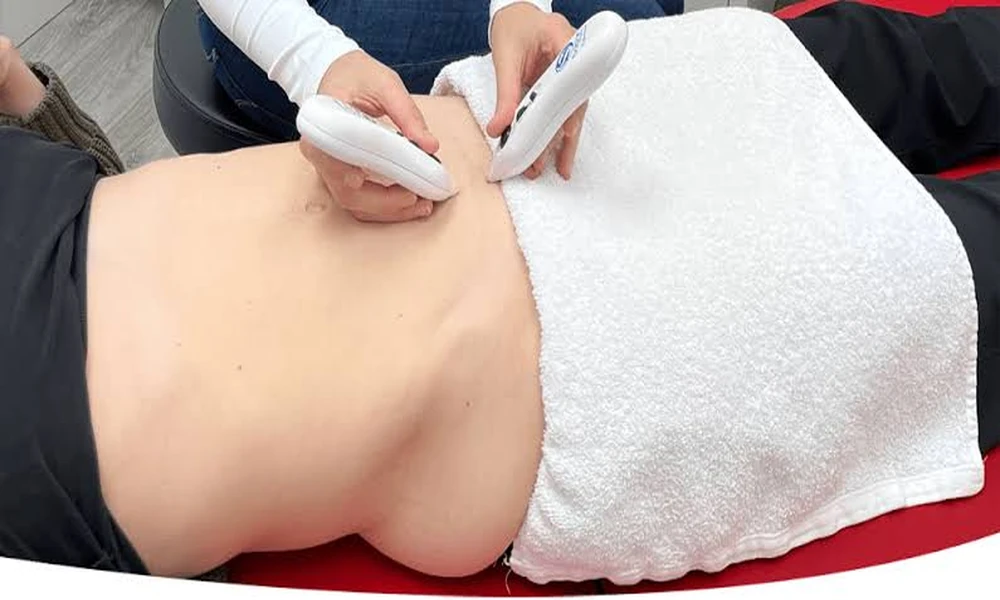
Practitioners frequently employ manual therapy techniques using varied pressure and rhythmic strokes. Picture it as resetting a misaligned structure. The outcomes can be remarkable, allowing clients to reclaim movements they once thought lost. Patients often gain a deeper understanding of their bodies, rediscovering capabilities that had previously seemed unattainable.
Reducing Pain and Discomfort Through Targeted Therapy
Pain can take a significant toll on daily functionality. Discomfort creates mental barriers, prompting avoidance of activities. Scar tissue release therapy aims to directly address these pain points, paving the way to relief. Many clients experience noticeable reductions in discomfort during and after treatment.
This therapy accomplishes more than just masking pain; it targets the underlying issues by alleviating tension in muscles and the surrounding tissue. Various modalities utilized during treatment can include:
- Myofascial release: This technique concentrates on the fascia, enhancing blood circulation.
- Trigger point therapy: This approach focuses on specific tight areas to relieve tension and pain.
- Deep tissue massage: This technique penetrates deeper layers of tissue for a more profound release.
Responding to pain can be transformative. Just imagine moving without that nagging discomfort. That’s the goal. Engaging with treatments that provide genuine movement recovery can indeed change lives.
What to Expect During Your Scar Tissue Release Session
A Step-by-Step Overview of the Treatment Process
Stepping into a scar tissue release session might feel a bit intimidating, but understanding what to expect can certainly help ease any anxieties. Here’s a straightforward breakdown of the typical process:
- Initial consultation: The practitioner will review the medical history and explore pain levels, mobility challenges, and specific goals.
- Assessment: The therapist will evaluate motion restrictions or tender areas to devise a personalized approach.
- Treatment plan: Professionals present a tailored plan, selecting the most suitable techniques for the individual.
- Hands-on therapy: The practitioner employs various techniques during the session, targeting specific concerns.
- Post-session guidance: Recommendations for stretches or exercises may be offered to enhance the therapy’s benefits.
This organized approach ensures that all facets of each individual’s needs are accounted for, paving the way for improvement. Familiarity with the upcoming steps helps clients feel more in charge and less anxious about treatment.
How Practitioners Tailor Treatments to Individual Needs
Variation among patients is the norm, not the exception. Treatment must reflect this diversity. Practitioners recognize that customizing each session optimizes outcomes. Personalization begins with thorough assessments, enabling therapists to pinpoint where restrictions are limiting mobility. Factors like the patient’s injury history, daily routines, and overall lifestyle are considered.
Experts blend various techniques according to individual needs. Some may benefit from more aggressive methods, while others might respond better to gentler approaches. Here are several ways practitioners customize therapy:
- Technique selection: Employing a mix of myofascial release, deep tissue manipulation, or trigger point therapy as required.
- Session intensity: Adjusting pressure levels to align with patient tolerance and specific discomfort.
- Follow-up care: Delivering ongoing assessments to fine-tune and adapt treatment strategies as needed.
Once the plan is finalized, the therapy evolves into a personalized roadmap. Engaging clients ensures a cooperative effort towards achieving mobility goals.
Real-Life Success Stories: Mobility Improvement Through Therapy
Client Testimonials That Highlight Powerful Results
One of the best ways to appreciate the effectiveness of scar tissue release treatment is through real-life stories. Clients regularly share impactful experiences. For instance, a middle-aged athlete who struggled with limitations from a knee injury sustained years earlier attributed significant movement restrictions to scar tissue formation.
This athlete articulated, “I thought I’d never regain my full range of motion after the injury. After just a few sessions, not only could I move freely again, but I actually ran my first 5K post-injury!”
Such accounts illuminate the profound effects that therapy can have on people’s lives. The enthusiasm is contagious. Many individuals embrace a newfound sense of mobility, shedding the burdens of discomfort and limitations. Engaging in activities once deemed unattainable rekindles joy and opens doors that were previously thought to be closed.
Case Studies: Overcoming Injury with Scar Tissue Release
Specific case studies outline significant advancements in mobility achieved through therapy. One significant case involved a young professional recovering from surgery for a ruptured Achilles tendon. Despite undergoing several months of physical therapy, they continued to face limitations due to the accumulation of scar tissue.
After beginning scar tissue release treatment, remarkable changes soon became evident. The series of focused therapies helped dismantle the scar tissue, leading to documented improvements such as:
- Increased flexibility: The patient could perform stretches without discomfort.
- Restored strength: Weight-bearing activities became achievable.
- Enhanced daily function: Simple tasks like climbing stairs no longer required excessive effort.
Unsurprisingly, the client felt supported and encouraged. Each successful step reignited their outlook on recovery. Choices previously unthinkable became available, igniting a sense of enthusiasm and active participation in daily life.
Scar tissue release treatment isn’t just about hope; it delivers tangible, practical results. Clients often regain control over their mobility, tackling challenges head-on. By providing a bridge from injury to recovery, this therapy allows individuals to flourish rather than merely survive. As success stories continue to accumulate, many others are inspired to embark on their healing journeys.
FAQ
What specific conditions can benefit from scar tissue release treatment?
Scar tissue release treatment can assist individuals recovering from surgeries, injuries, or conditions such as tendonitis, post-surgical adhesions, and even severe burns. Athletes frequently find this therapy invaluable for addressing soft tissue injuries and enhancing performance.
How often should someone undergo scar tissue release therapy for optimal results?
The frequency of treatment varies based on individual needs and the severity of scar tissue restrictions. Many practitioners recommend starting with one to two sessions per week, making adjustments over time as flexibility, mobility, and pain levels improve.
Are there any complementary therapies that work well with scar tissue release?
Yes, integrating therapies like acupuncture, chiropractic adjustments, or physical therapy can amplify results. These modalities often support overall recovery, addressing additional factors that impact movement and pain management.
What kind of practitioner should administer scar tissue release treatment?
Licensed practitioners, such as physical therapists, massage therapists, or chiropractors with specialized training in scar tissue therapies, typically administer this treatment. Clients should seek professionals who possess extensive experience in manual therapy techniques.
Is scar tissue release treatment safe for everyone?
Generally, it is safe for most individuals. However, those with certain medical conditions, such as active infections or severe circulatory issues, should consult a healthcare provider before commencing treatment to ensure it aligns with their health status.
What can clients do at home to support their recovery from scar tissue release?
Clients can engage in gentle stretching, follow applications of cold or heat therapy as recommended, and practice any suggested exercises. Staying hydrated and maintaining overall fitness also aids healing and promotes mobility improvements.
How long does it typically take to see results from scar tissue release therapy?
Results can vary widely, but many clients observe changes after just a few sessions. Enhanced flexibility, decreased pain, and improved movement often become noticeable within the first to third treatment sessions.
What are the financial considerations associated with scar tissue release therapy?
Costs vary based on geographic location, practitioner expertise, and session duration. Many clients find that investing in their mobility is worthwhile, particularly given the long-term benefits such as improved quality of life and reduced needs for pain management.