


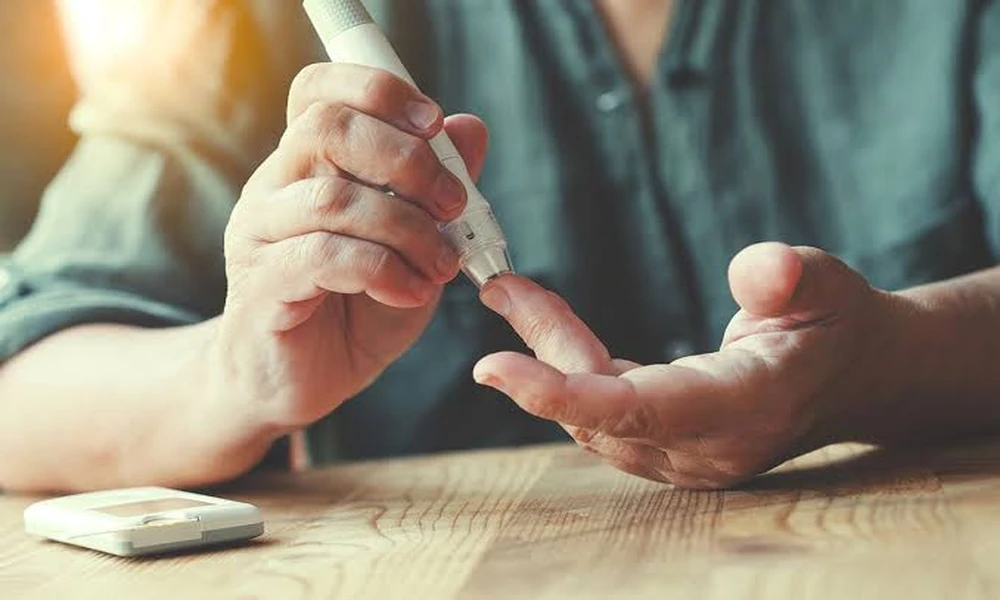




A family history of type 2 diabetes does not guarantee that a person will develop diabetes, but it does increase the need for awareness. Many people wait for symptoms such as thirst, weight loss or frequent urination before testing. This is risky because high sugar can develop quietly for years.
People with a parent, brother or sister with type 2 diabetes should consider early screening, especially if they also have abdominal weight gain, high blood pressure, high triglycerides, fatty liver or a sedentary lifestyle. Useful tests may include fasting blood sugar, HbA1c, lipid profile, blood pressure, weight and waist measurement.
Waist size is especially important in Indian populations because metabolic risk can occur even without very high body weight. A person may not look obese but may still have insulin resistance due to abdominal fat, inactivity and poor food quality.
Early action does not need to be extreme. Practical prevention includes reducing sugary drinks, controlling refined carbohydrates, eating more vegetables and protein where suitable, walking regularly, improving sleep, avoiding tobacco and maintaining a healthy waist size.
Family-based changes work better than individual punishment. If the kitchen continues to contain sugary snacks, sweet drinks and large refined portions, one person will struggle alone. When the family changes breakfast, dinner timing, walking habits and snack choices, prevention becomes easier.
Young adults should not assume diabetes is only an older person’s issue. Long sitting hours, late meals, stress, poor sleep and weekend overeating can contribute to early metabolic risk. Testing is especially useful when there is strong family history.
Readers with family risk can review Madhavbaug’s early diabetes risk assessment and discuss whether screening is appropriate with a qualified clinician.
If prediabetes is found, it should be treated as an opportunity, not a failure. Prediabetes means blood sugar is higher than normal but not yet in the diabetes range. This is a valuable time to improve weight, activity and diet before diabetes develops.
However, prevention should not become fear-based. A person cannot change family history, but they can influence daily habits and testing. Regular monitoring helps guide decisions.
For more information on broader lifestyle-related care, readers may visit Madhavbaug preventive care.
Medical disclaimer: Screening frequency and test selection should be advised by a qualified healthcare professional.